
Surgery decision guides: If you are comparing operations, read LVA vs VLNT vs liposuction for lymphedema and am I a candidate for LVA surgery?. For Dr Jeremy Sun’s patient-facing clinician information, see DrJeremySun.com lymphedema surgery.
Lymphedema Treatment in Singapore
Clinically reviewed by Dr Jeremy Sun Mingfa, Plastic, Reconstructive and Lymphedema Surgeon in Singapore. Last reviewed: August 2026.
Considering assessment in Singapore?
LymphedAsia is an educational resource. For non-urgent private consultation enquiries with Dr Jeremy Sun, patients may contact Astrid Plastic Surgery via WhatsApp or the Astrid contact form. Online information does not replace individual medical consultation.
Lymphedema and lymphoedema: In Singapore, both spellings are used. This guide uses “lymphedema” most often, but the treatment principles also apply when patients or doctors describe the condition as “lymphoedema”, after other causes of swelling have been considered.
Specialist assessment: If you are comparing lymphedema treatment options in Singapore, also see the Dr Jeremy Sun lymphedema specialist profile and Dr Sun’s related LVA surgery education page.
Quick answer for Singapore patients: Lymphedema treatment usually starts with diagnosis, staging and compression or decongestive therapy. Surgery such as LVB / LVA lymphovenous bypass may be considered when assessment and lymphatic imaging show suitable channels. For a surgery-focused overview, read lymphedema surgery options in Singapore.
On this page
- An evidence-based, algorithmic approach to lymphedema care
- What is lymphedema?
- Common reasons patients seek lymphedema treatment
- Diagnosis: why staging and imaging matter
- Conservative lymphedema treatment
- Surgical options for lymphedema
- Treatment by body region and cause
- When should you see a lymphedema specialist?
Lymphedema treatment in Singapore should not be reduced to a single device, massage technique or operation. Good care starts with accurate diagnosis, staging, lymphatic imaging and a practical plan that matches the severity and cause of swelling. Some patients need compression and therapy; others may benefit from LVB / LVA lymphovenous bypass surgery, lymph node transfer, liposuction or staged reconstructive treatment.
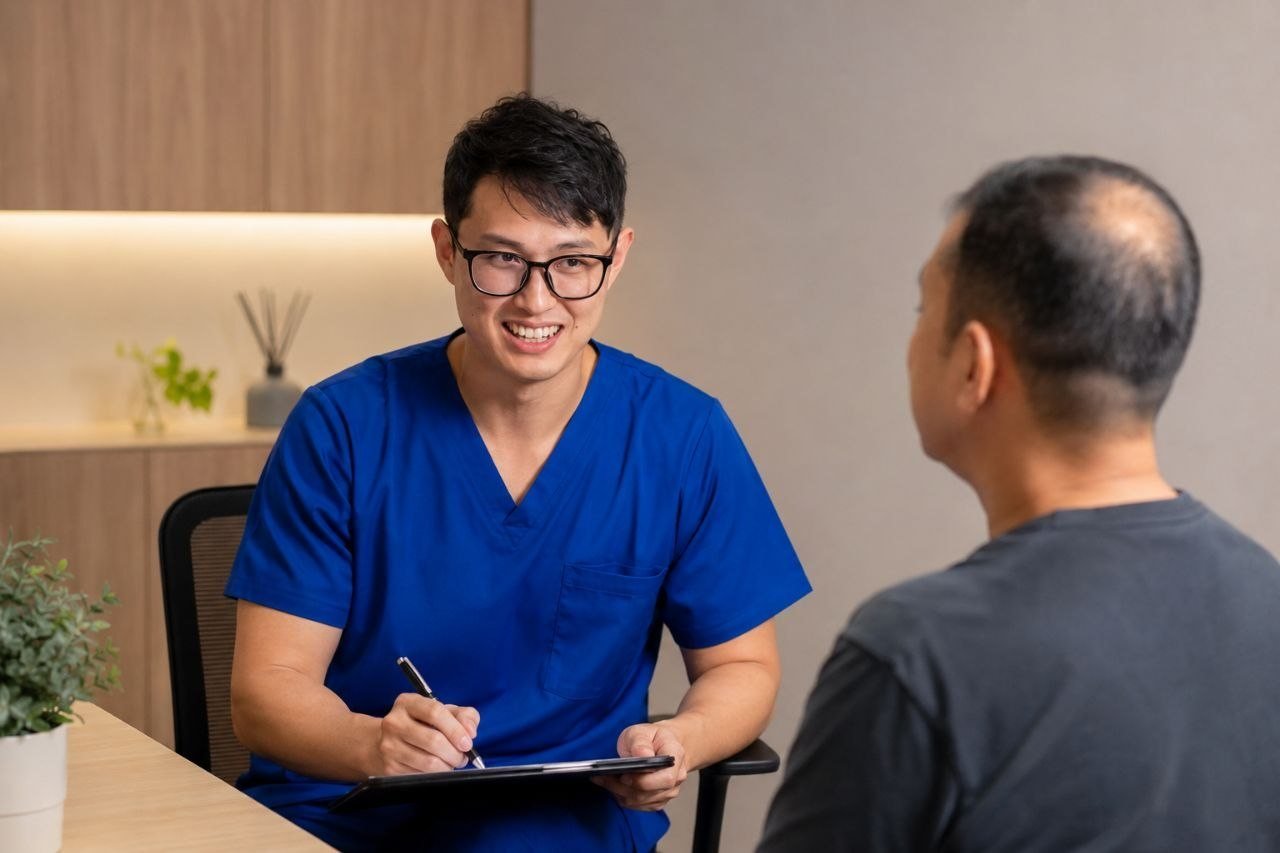
At LymphedAsia, the aim is to help patients understand the full pathway: conservative treatment, surveillance, imaging, microsurgery, advanced-stage options and long-term self-care. Dr Jeremy Sun’s approach is informed by an MOH HMDP fellowship in Tokyo focused on comprehensive lymphedema management across severities, training under Professor Takumi Yamamoto and Professor Akitatsu Hayashi, as well as peer-reviewed academic publications on lymphatic surgery.
An evidence-based, algorithmic approach to lymphedema care
Dr Jeremy Sun uses an evidence-based and algorithmic approach to lymphedema care. In general, patients start with complete decongestive therapy (CDT), compression optimisation, exercise, skin care and education before surgery is considered. This period allows swelling response, infection frequency, tissue quality and functional limitations to be assessed over time.
Many patients are reassessed after about 3 to 6 months of appropriate conservative treatment. Surgery may be discussed if lymphedema does not improve enough, continues to worsen, remains functionally limiting, or is associated with recurrent cellulitis despite appropriate CDT and compression. The choice of LVA, lymph node transfer, liposuction, debulking or continued conservative care depends on staging, ICG lymphography, high-resolution ultrasound mapping and the patient’s overall condition.
This stepwise pathway helps avoid premature surgery while also avoiding the opposite problem: leaving suitable patients on conservative treatment alone when lymphatic surgery may reasonably be considered.
What is lymphedema?
Lymphedema is chronic swelling caused by impaired lymphatic drainage. It can affect the arm, leg, trunk, breast, groin or genital region. The swelling may begin as soft fluid accumulation, but over time the tissues can become heavier, firmer, more fibrotic and more prone to infection.
Lymphedema is usually described as either primary or secondary. Primary lymphedema is related to developmental or genetic lymphatic problems. Secondary lymphedema occurs after damage to lymphatic pathways, such as cancer surgery, lymph node removal, radiotherapy, infection, trauma or severe inflammation.
Common reasons patients seek lymphedema treatment
- Persistent arm or leg swelling that does not settle with elevation.
- Swelling after breast cancer, gynaecological cancer, melanoma, sarcoma or pelvic lymph node surgery.
- Heaviness, tightness, aching or reduced limb function.
- Recurrent cellulitis or skin infection.
- Difficulty fitting shoes, sleeves, trousers or compression garments.
- Progressive leg swelling, calf contour loss or tissue thickening.
- Concern that swelling may be lymphedema rather than ordinary postoperative swelling.
If swelling is new, worsening, painful, one-sided or associated with redness, fever, chest symptoms or sudden calf pain, urgent medical assessment may be needed to exclude infection, blood clot or other causes.
Diagnosis: why staging and imaging matter
Effective treatment depends on understanding the cause and stage of swelling. A patient with early fluid-dominant lymphedema may need a different plan from someone with longstanding fibrofatty enlargement, recurrent cellulitis or severe tissue changes.
Assessment may include clinical examination, limb measurements, medical history, compression history and lymphatic imaging. Imaging is especially important when considering surgery because the surgeon needs to identify whether usable lymphatic vessels and recipient veins are present.
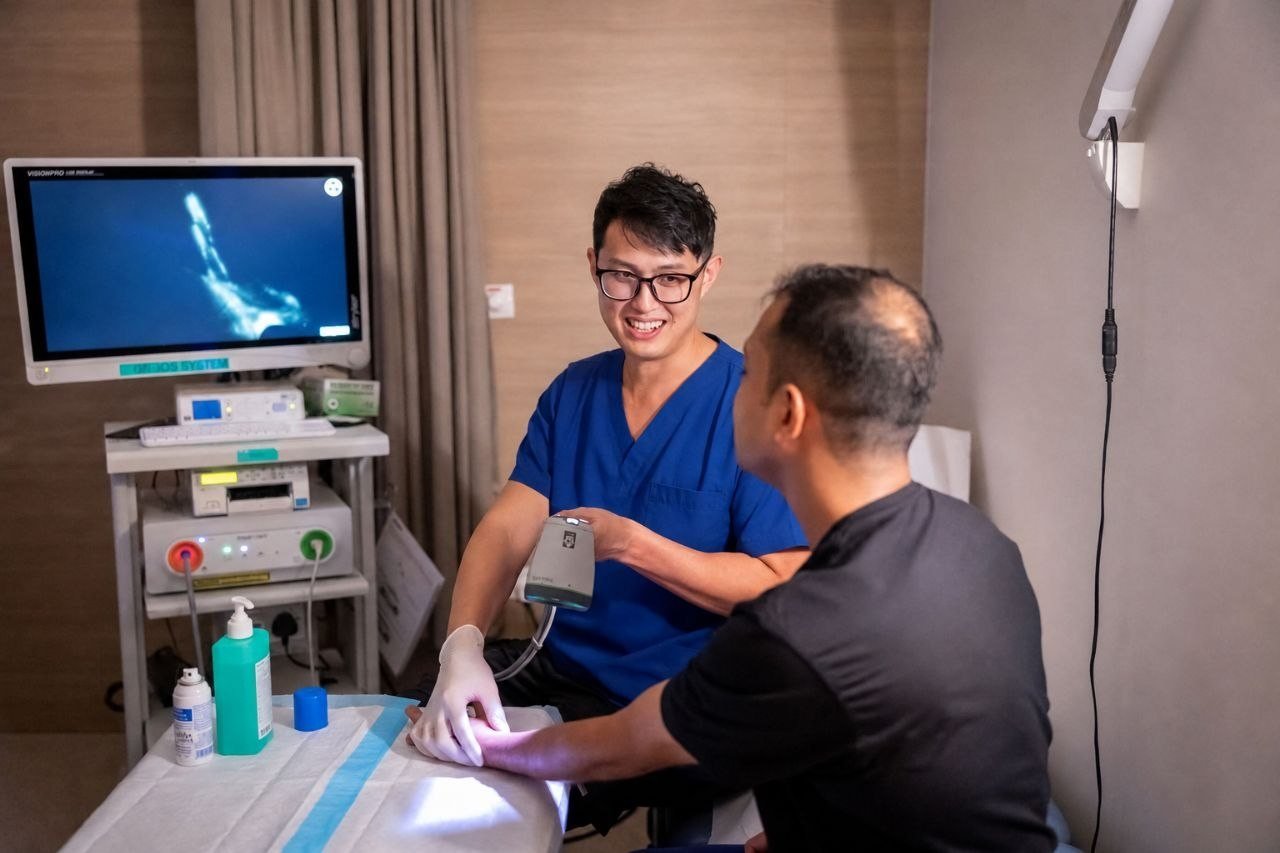
ICG lymphography
ICG lymphography uses near-infrared fluorescence to visualise superficial lymphatic drainage patterns. It can show linear lymphatic channels in earlier disease and dermal backflow patterns in more advanced disease. It is useful for staging, planning and counselling, but it does not show everything.
High-resolution ultrasound mapping
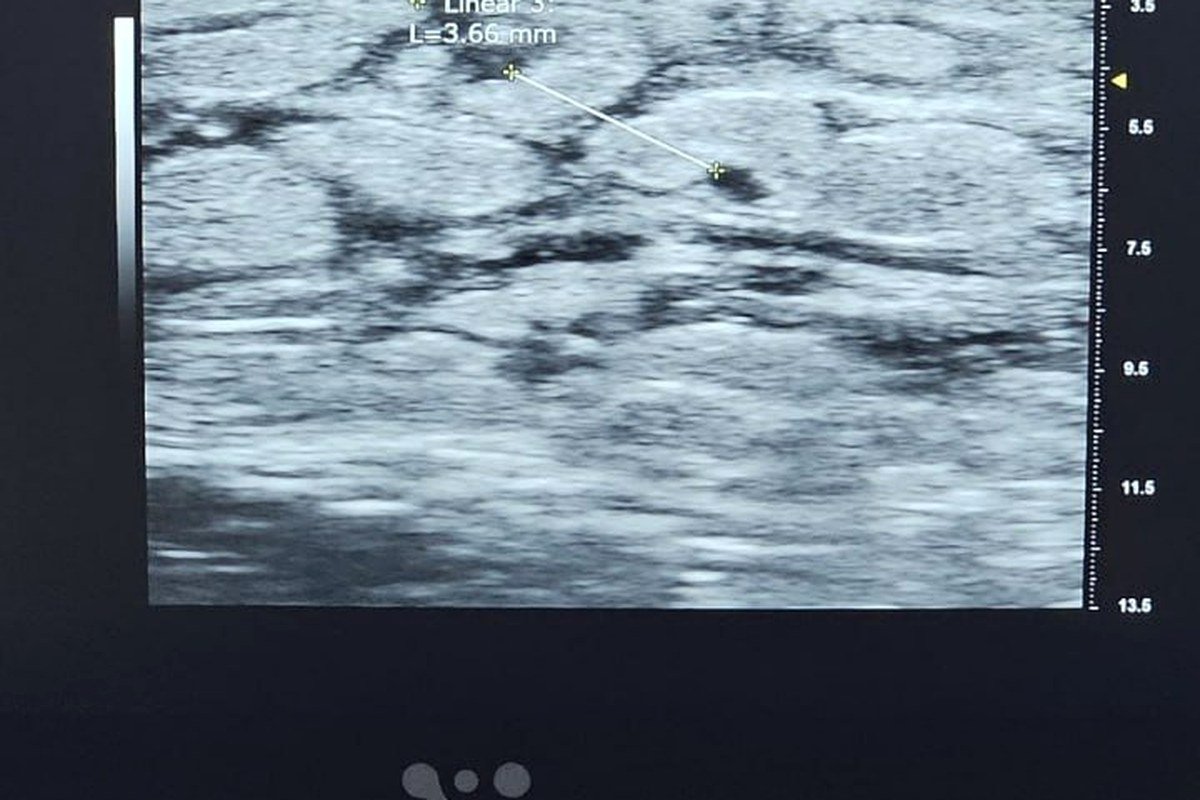
Ultrasound mapping for LVA is increasingly regarded by lymphatic surgery experts as one of the most important tools for surgical planning. It provides anatomical detail: lymphatic depth, calibre, nearby veins, tissue quality and potential incision sites.
For submillimetre lymphatic structures, probe quality matters. Around 18 MHz may be considered a practical minimum for useful small-structure identification, while probes above 30 MHz are ideal when available. In selected patients, ultrasound can still identify lymphatic channels even when ICG lymphography shows no obvious linear pattern, including some advanced ICG stage 5 cases.
Conservative lymphedema treatment
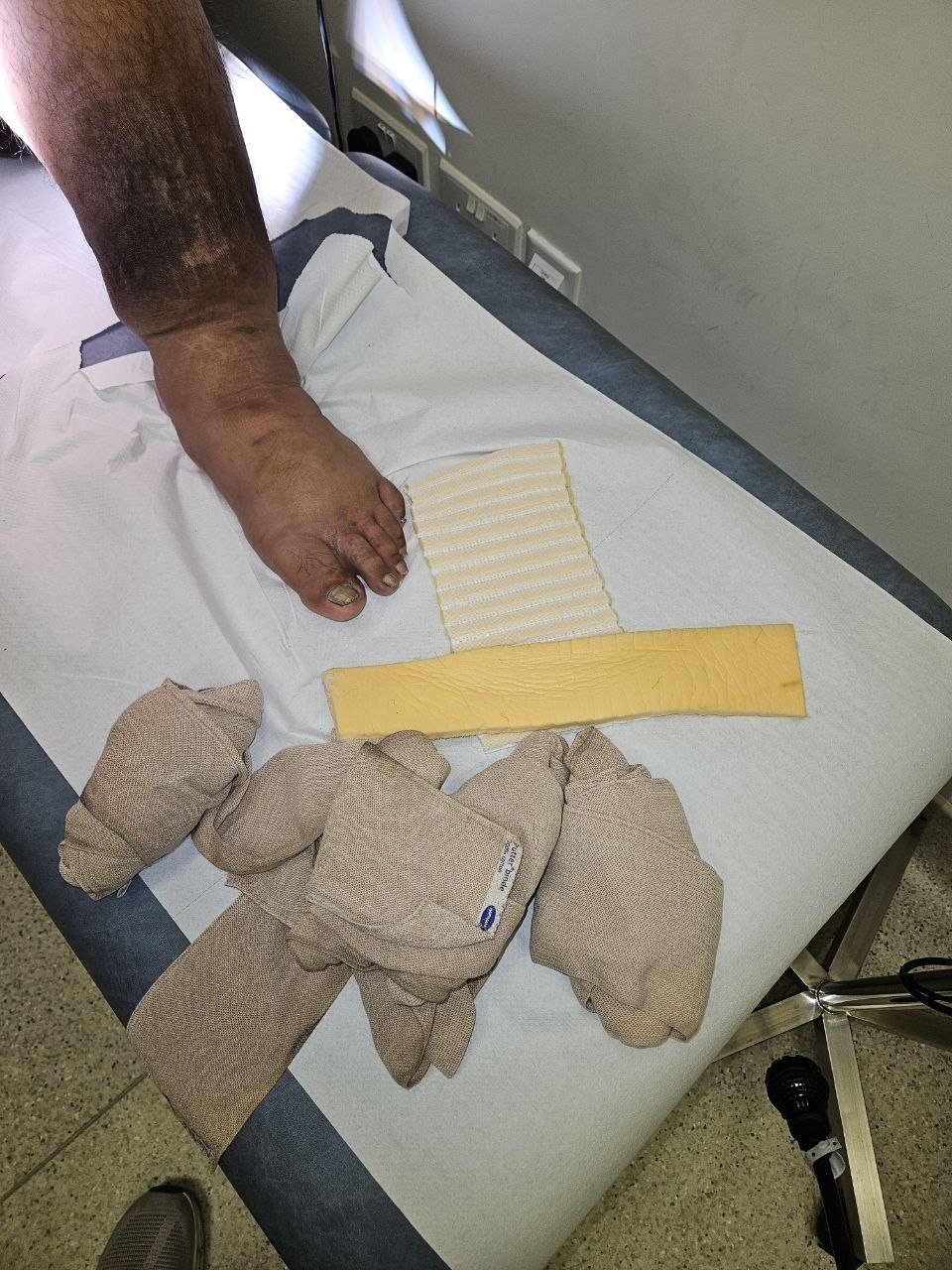
Conservative treatment remains the foundation for many patients, including those who undergo surgery. It is not “doing nothing”; it is active swelling control and skin protection.
- Compression therapy: garments, bandaging or adjustable wraps to control swelling.
- Manual lymphatic drainage: specialist therapist-guided techniques for selected patients.
- Exercise and movement: muscle pump activity, mobility and strengthening within safe limits.
- Skin care: prevention of cracks, fungal infection and cellulitis entry points.
- Weight and medical optimisation: especially when obesity, venous disease or diabetes contribute to swelling.
Surgical options for lymphedema
Surgery may be considered when lymphedema is persistent, progressive, infection-prone or significantly affecting function and quality of life despite appropriate conservative care. The correct operation depends on disease stage, lymphatic anatomy, tissue composition and patient goals.
LVB / LVA lymphovenous bypass
LVB / LVA surgery creates tiny bypasses between lymphatic vessels and nearby veins, allowing lymph fluid to drain into the venous system. LVB is a term often used in American medical contexts, while LVA is commonly used in Singapore and Asia. It is most commonly discussed for earlier fluid-dominant disease, but patient selection is more nuanced when high-resolution ultrasound mapping is available.
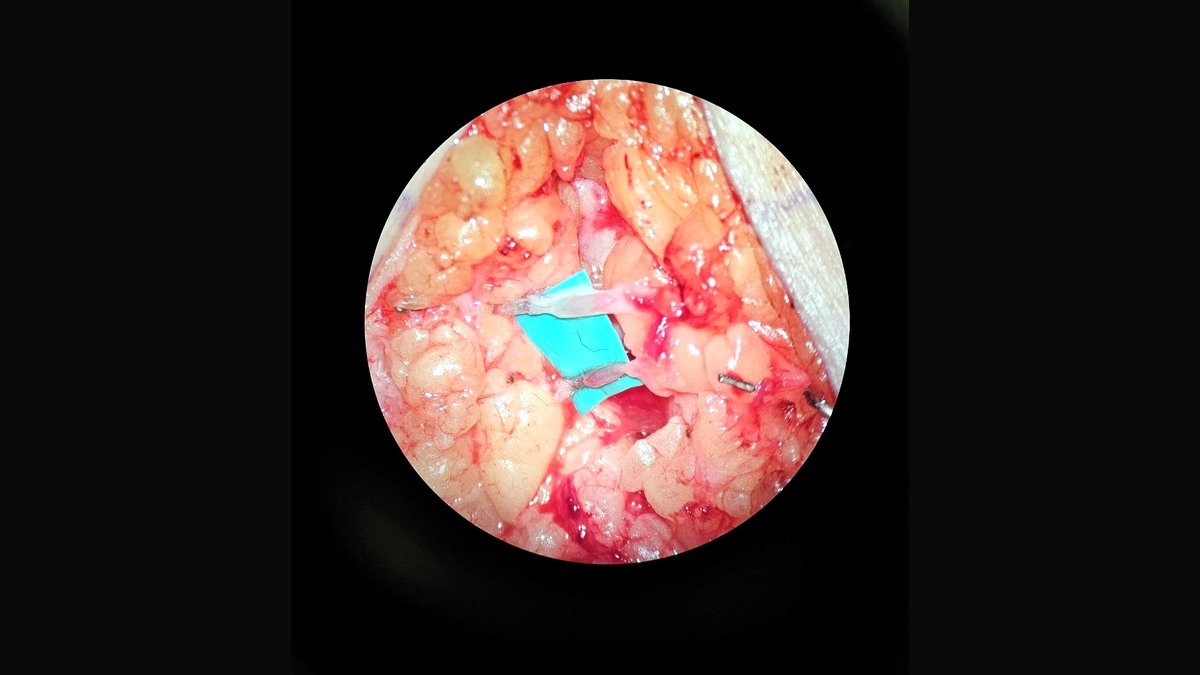
In Dr Sun’s view, LVA quality matters. A bypass is not simply a connection. It should be planned and constructed to minimise leakage, preserve a favourable lymphatic-to-venous pressure gradient and reduce the risk of venous reflux into the lymphatic channel.
Vascularised lymph node transfer / lymphatic reconstruction
Lymph node transfer and lymphatic reconstruction may be considered in selected patients, particularly when lymphatic pathways have been damaged by cancer surgery or radiotherapy. This is not the same operation as LVA, and suitability depends on the pattern and severity of disease.
Liposuction and debulking surgery
In longstanding lymphedema, swelling may become less fluid-dominant and more fibrofatty. In selected patients, liposuction or debulking surgery may improve size and function, but these operations require careful counselling and usually ongoing compression. They do not replace the need for long-term lymphedema care.
Treatment by body region and cause
- Lower limb lymphedema: leg swelling after cancer surgery, infection, trauma or primary lymphatic disease. See also leg swelling after cancer surgery.
- Upper limb lymphedema: commonly after breast cancer surgery or radiotherapy. See lymphedema after breast cancer treatment.
- Genital lymphedema: a sensitive and often under-discussed form of lymphatic disease. See genital lymphedema treatment options.
- Cancer-related lymphedema: may occur after lymph node dissection, radiotherapy or combined treatment.
When should you see a lymphedema specialist?
Consider specialist assessment if swelling is persistent, progressive, one-sided, associated with recurrent cellulitis, occurring after cancer surgery, or limiting daily function. Early assessment may help distinguish lymphedema from venous disease, lipedema, ordinary postoperative swelling or other medical causes.
A specialist assessment is also useful if you have been told that surgery is not possible based only on stage or ICG findings. In selected patients, ultrasound mapping may identify lymphatic targets that are not obvious on ICG lymphography.
Dr Jeremy Sun’s lymphatic surgery background
Dr Jeremy Sun completed an MOH Health Manpower Development Plan fellowship in Tokyo focused on comprehensive lymphedema management across all severities, training under Professor Takumi Yamamoto and Professor Akitatsu Hayashi. His academic work includes peer-reviewed publications on lymphovenous shunts, primary surgical prevention of lymphedema and genital elephantiasis, published with Professor Yamamoto in the Journal of the Chinese Medical Association.
Read more about Dr Sun’s lymphedema surgery publications, training and media.
Recurrent cellulitis despite conservative therapy
For patients with established lymphedema who have already been on appropriate conservative therapy, even one or two episodes of cellulitis are a strong reason to seek specialist lymphatic assessment. LVA does not replace compression, skin care or prompt antibiotics when infection occurs, but in suitable patients lymphatic offloading may reduce congestion and may reduce the tendency toward recurrent cellulitis. Read more about lymphedema and cellulitis risk.
Frequently asked questions
Can lymphedema be cured?
Lymphedema is usually a chronic condition. Treatment may reduce swelling, improve symptoms, reduce infection risk or slow progression in selected patients, but results vary. Surgery is best understood as part of a long-term management plan rather than a simple cure.
Is LVA only for early-stage lymphedema?
LVA is often most straightforward in earlier fluid-dominant disease. However, suitability should be assessed individually. With high-resolution ultrasound, selected advanced patients may still have usable lymphatic channels even when ICG lymphography does not show clear linear patterns.
Do I still need compression after surgery?
Many patients still need compression or therapy after surgery, at least during recovery and sometimes long term. The exact plan depends on disease stage, operation type, swelling response and therapist/surgeon guidance.
What is the best treatment for leg lymphedema?
There is no single best treatment for every patient. Lower-limb lymphedema may require compression, therapy, skin care, imaging, LVA, lymph node transfer, liposuction or staged approaches depending on severity and anatomy.
Related LVA patient guides
- Can LVA cure lymphedema? — why surgery improves lymphatic function but does not rebuild a completely normal lymphatic system.
- Can I stop wearing compression after LVA? — how compression may be reduced gradually in suitable patients.
- Why early LVA gives better results — why earlier, fluid-predominant lymphedema has better outcomes.
Next steps
If you are seeking lymphedema treatment in Singapore, the most useful first step is a structured assessment: confirm the diagnosis, identify the cause, assess severity and decide whether conservative care, imaging, surgery or combined treatment is appropriate.
Learn about private lymphedema consultation in Singapore.
This page provides general education and does not replace personalised medical advice. Suitability for treatment or surgery depends on individual assessment.
Related guide: When Is LVA Surgery Too Late for Lymphedema? explains how pitting, fibrosis and narrowed lymphatic channels affect whether LVA remains suitable in later-stage lymphedema.
Related: Patients comparing providers can also read Lymphedema surgeon in Singapore: Dr Jeremy Sun and how suitability is assessed.
Lymphedema treatment quick answers
When should someone consider lymphedema surgery assessment?
Surgical assessment may be considered when lymphedema persists despite appropriate conservative care such as compression therapy, skin care, exercise and rehabilitation. Earlier-stage or pitting lymphedema may be more suitable for procedures such as LVA/LVB, but suitability depends on clinical assessment and imaging such as ICG lymphography.
What is ICG lymphography?
ICG lymphography is an imaging technique used to visualise superficial lymphatic channels and lymphatic flow. It can help assess lymphedema severity and guide planning for procedures such as lymphovenous bypass in suitable patients.
Related guide: Some patients with painful, heavy or disproportionate legs may have lipedema rather than isolated lymphedema or vein disease. Read: Lipedema diagnosis in Singapore.