
Quick answer: Lipedema is a chronic fat-distribution disorder that is usually diagnosed clinically. There is no single blood test or scan that proves lipedema. This is why patients may be assessed for vein problems, obesity, hormonal weight gain or lymphedema before lipedema is recognised.
Singapore assessment pathway: Patients searching for lipedema treatment in Singapore often need a careful clinical diagnosis first, because painful disproportionate fat, ordinary edema, venous disease and lymphedema can overlap. If swelling, foot involvement or recurrent infection is present, lymphatic assessment may help distinguish lipedema from lymphedema before treatment options are discussed.
On this page
Why lipedema can be difficult to diagnose
Lipedema can be challenging because the symptoms overlap with several other causes of leg enlargement or leg swelling. Many patients describe heavy, painful or tender legs, disproportionate fat around the hips, thighs, knees or calves, and difficulty reducing the affected areas despite weight loss efforts.
Unlike lymphedema, where lymphatic dysfunction can often be demonstrated using tests such as ICG lymphography or lymphoscintigraphy, lipedema remains mainly a clinical diagnosis. The diagnosis is based on the pattern of fat distribution, symptoms, examination findings and exclusion of other conditions.
Common signs that raise suspicion of lipedema
- Disproportionate enlargement of both legs, often with the feet relatively spared
- Pain, tenderness or sensitivity when the affected areas are pressed
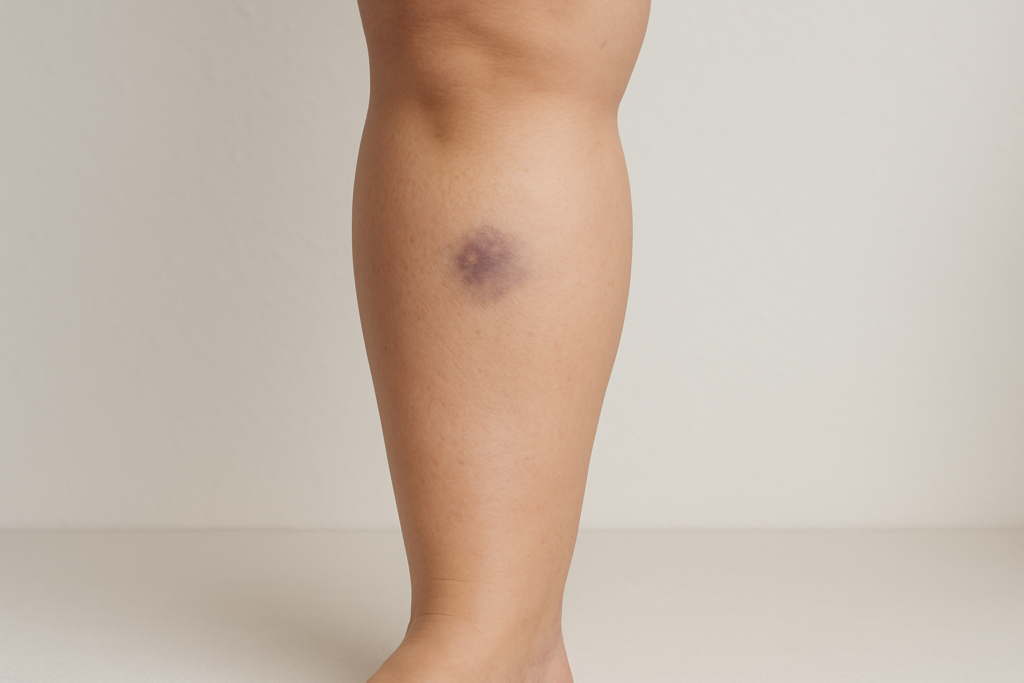
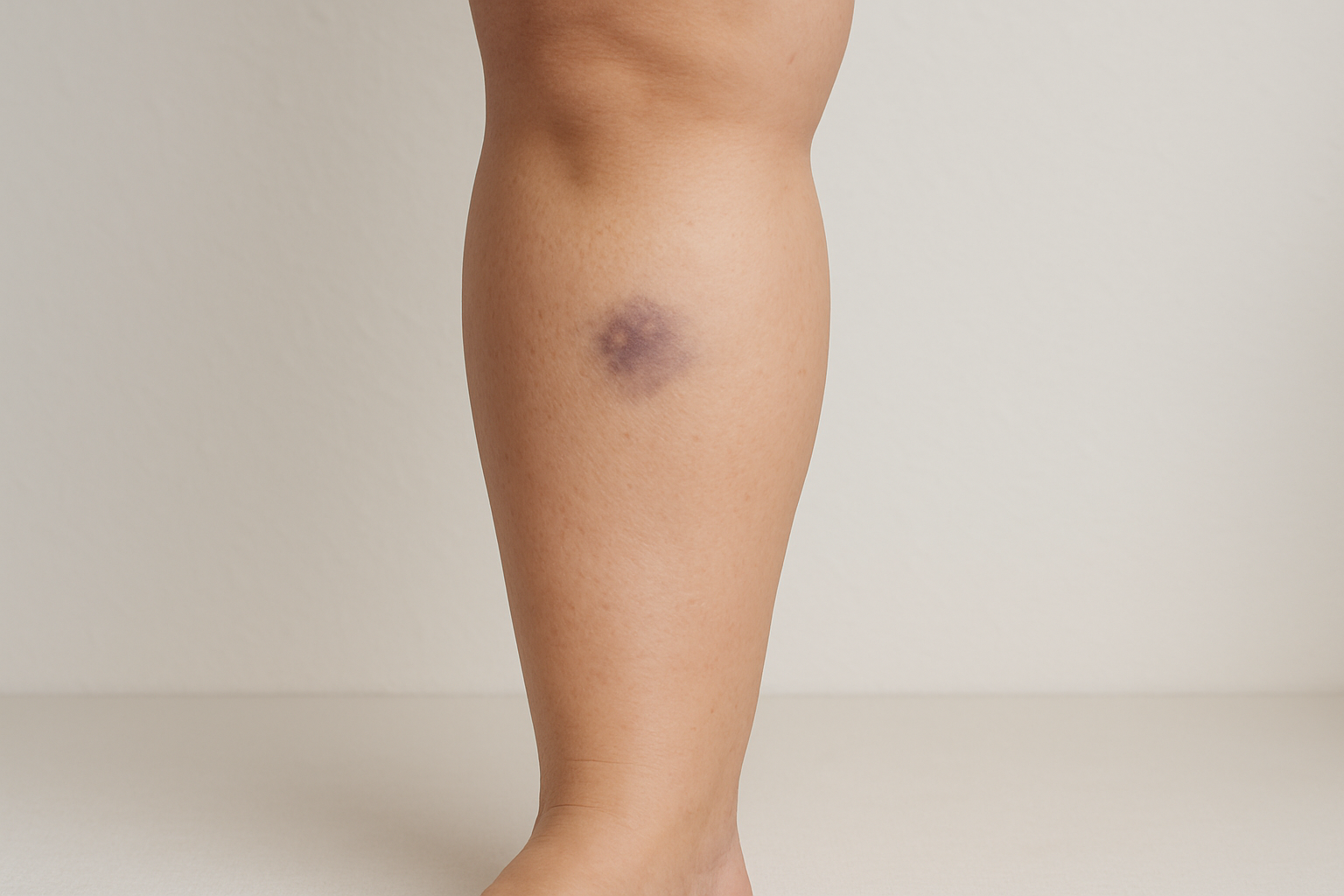
- Easy bruising
- A feeling of heaviness or fatigue in the legs
- Fat that seems resistant to diet and exercise
- Symptoms that usually occur in women
- Family history of similar body shape, painful legs or suspected lipedema
- Possible involvement of the arms in some patients
Why patients may be told it is a vein problem
Patients with lipedema often feel heaviness, discomfort, swelling or aching in the legs. These symptoms can resemble venous insufficiency or varicose vein disease, so many patients are first assessed by vein or vascular specialists. Venous disease can also coexist with lipedema, which makes careful assessment important.
Other patients are told the problem is simply weight-related. This can be distressing because lipedema fat may remain disproportionately enlarged even when the rest of the body changes with weight loss.
Lipedema vs lymphedema
Lipedema and lymphedema are different conditions. Lipedema is primarily a disorder of abnormal, often painful fat distribution. Lymphedema is caused by impaired lymphatic drainage and may cause progressive swelling, skin changes and infection risk.
However, the two can overlap. Some patients with advanced lipedema may develop or coexist with lymphatic dysfunction. This is sometimes described as lipo-lymphedema.
Wold classification and clinical staging
The Wold classification is commonly used to describe the clinical stage of lipedema. Staging helps describe the surface texture and severity of the fatty tissue changes, although it does not replace a full clinical assessment.
- Stage I: the skin surface may appear relatively smooth, with enlarged fatty tissue beneath.
- Stage II: the skin surface becomes more uneven or mattress-like, and nodular fatty tissue may be felt.
- Stage III: larger lobules or overhanging fatty folds may develop, often around the thighs, knees or ankles.
- Advanced disease: some patients may also develop lymphatic dysfunction, sometimes described as lipo-lymphedema.
Role of ICG lymphography in suspected lipedema
ICG lymphography does not diagnose lipedema directly. Its role is to assess lymphatic function. In a patient with suspected lipedema, ICG lymphography may help show whether the lymphatic system appears normal, whether there is coexisting lymphatic dysfunction, or whether lymphedema is a more likely contributor to swelling.
This is especially useful when a patient has significant swelling, progressive symptoms, recurrent cellulitis, marked heaviness or clinical features that are not typical for uncomplicated lipedema.
Specialist perspective: In suspected lipedema, the question is often not only “Is this lipedema?” but also “Is there lymphatic dysfunction as well?” This distinction matters because lymphedema, lipo-lymphedema and venous disease may require different treatment pathways.
When to consider lymphatic assessment
- Leg swelling is progressive or no longer improves with elevation
- The feet are involved or there is pitting swelling
- There are recurrent episodes of cellulitis or infection
- There is marked asymmetry between limbs
- Symptoms are severe enough that lipo-lymphedema is suspected
- Previous vein treatment has not explained or improved the symptoms
Treatment overview
Treatment depends on the patient’s symptoms, stage and whether there is associated lymphatic dysfunction. Conservative management may include education, skin care, compression where appropriate, physiotherapy or lymphatic therapy, exercise and weight-management support. In selected patients, lipedema reduction surgery may be discussed with appropriately experienced teams. If lymphatic dysfunction is present, treatment planning may need to include lymphedema-specific care.
Related Lymphedema Asia guides
- Lipedema vs lymphedema differences in Singapore
- ICG lymphography in Singapore
- Lymphedema treatment in Singapore
- LVA surgery in Singapore
- Dr Jeremy Sun — lymphedema specialist profile
- Private lymphedema consultation pathway in Singapore
FAQ
How do I know if leg fat might be lipedema?
Lipedema is suspected from a pattern rather than from one symptom alone: disproportionate enlargement of both legs or arms, tenderness or heaviness, easy bruising, relative sparing of the feet or hands, and symptoms that do not fully match ordinary weight gain. A clinician still needs to assess for venous disease, obesity-related swelling and lymphedema.
Who should assess suspected lipedema in Singapore?
Assessment may involve a doctor familiar with limb swelling, lymphatic disease and body-contour disorders. At Lymphedema Asia, the aim is to distinguish lipedema from lymphedema, venous swelling and other causes before discussing conservative care or any procedural option. If the diagnosis is unclear or swelling is progressive, the private lymphedema consultation pathway in Singapore explains what a focused assessment may cover.
Is there a test for lipedema?
There is no single definitive test for lipedema. Diagnosis is usually clinical, based on symptoms, fat-distribution pattern, examination findings and exclusion of other causes of swelling.
Can lipedema cause easy bruising?
Yes. Easy bruising is one of the clinical clues that may raise suspicion of lipedema, especially when it occurs together with painful or tender disproportionate limb enlargement.
Does lipedema run in families?
A family history may be present. Some patients report mothers, sisters or other female relatives with similar disproportionate limb enlargement, tenderness or easy bruising.
Is lipedema the same as lymphedema?
No. Lipedema is primarily a painful fat-distribution disorder. Lymphedema is caused by impaired lymphatic drainage. Advanced lipedema may coexist with lymphatic dysfunction, which is sometimes called lipo-lymphedema.
What is the role of ICG lymphography?
ICG lymphography does not directly diagnose lipedema. It helps assess lymphatic function, which can clarify whether lymphedema or lipo-lymphedema is contributing to a patient’s symptoms.
This article is for general education and does not replace a personalised medical consultation. Diagnosis and treatment depend on individual assessment.