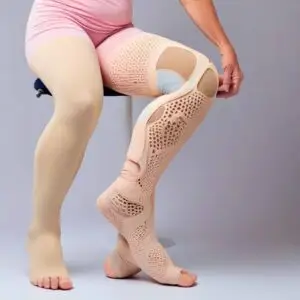
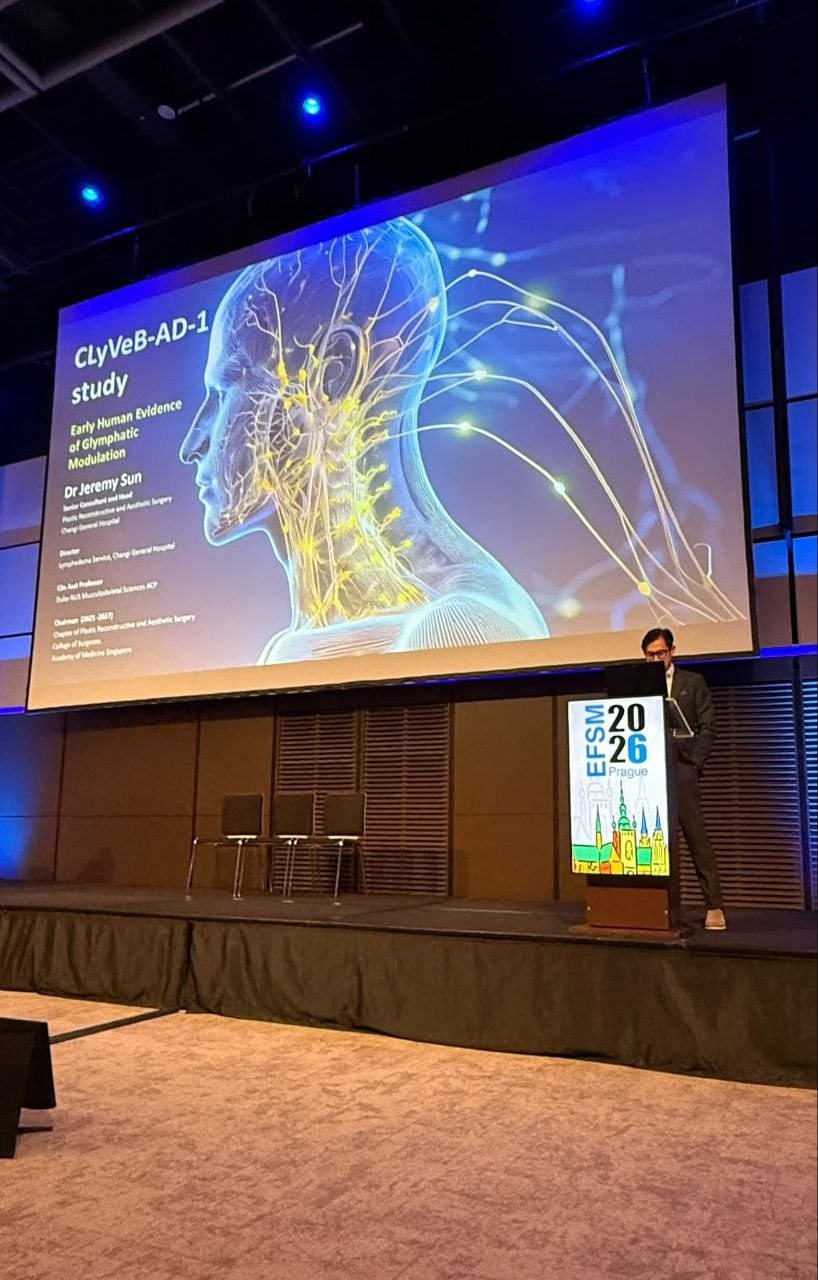
Dr Jeremy Sun Mingfa is a Singapore plastic and reconstructive surgeon with a focused clinical interest in lymphedema, lymphatic reconstruction and supermicrosurgery. This guide explains his training background, how specialist lymphedema assessment is usually approached, and when treatments such as LVA surgery / lymphovenous bypass, vascularized lymph node transfer or non-surgical lymphedema care may be considered.
Clinically reviewed by Dr Jeremy Sun Mingfa. Dr Sun is a Senior Consultant Plastic and Reconstructive Surgeon in Singapore with subspecialty expertise in lymphedema surgery, supermicrosurgical lymphatic reconstruction and dedicated lymphatic surgery training in Tokyo. Last reviewed: August 2026.
Who Is Dr. Jeremy Sun?
Dr. Jeremy Sun’s Professional Background
Dr Jeremy is a plastic surgeon focusing on lymphedema treatment. His practice includes reconstructive microsurgery, lymphedema surgery and aesthetic plastic surgery, allowing consultation to consider both functional needs and patient-facing concerns where relevant. He was awarded the International Travelling Fellowship by the American Society of Aesthetic Plastic Surgeons for additional cosmetic surgery training in the USA. This award is only given to one plastic surgeon a year. Subsequently, Dr Sun completed dedicated MOH-accredited fellowship training in lymphedema surgery in Japan. His lymphedema work includes physiologic lymphatic surgery techniques such as lymphovenous bypass / LVA surgery, lymph vessel transfer (LVT), and vascularized lymph node transfer (VLNT), used selectively according to disease stage, imaging findings and patient goals. He has also helped develop lymphedema services and prospective screening pathways in Singapore.
From clinical skepticism to dedicated Japan training
Dr Sun initially approached lymphedema surgery with clinical skepticism. During early training, several issues seemed unresolved: how patients should be selected, how lymphatic imaging should guide surgery, how pressure gradients and reflux risk should be considered, and how surgery should integrate with compression therapy and long-term follow-up.
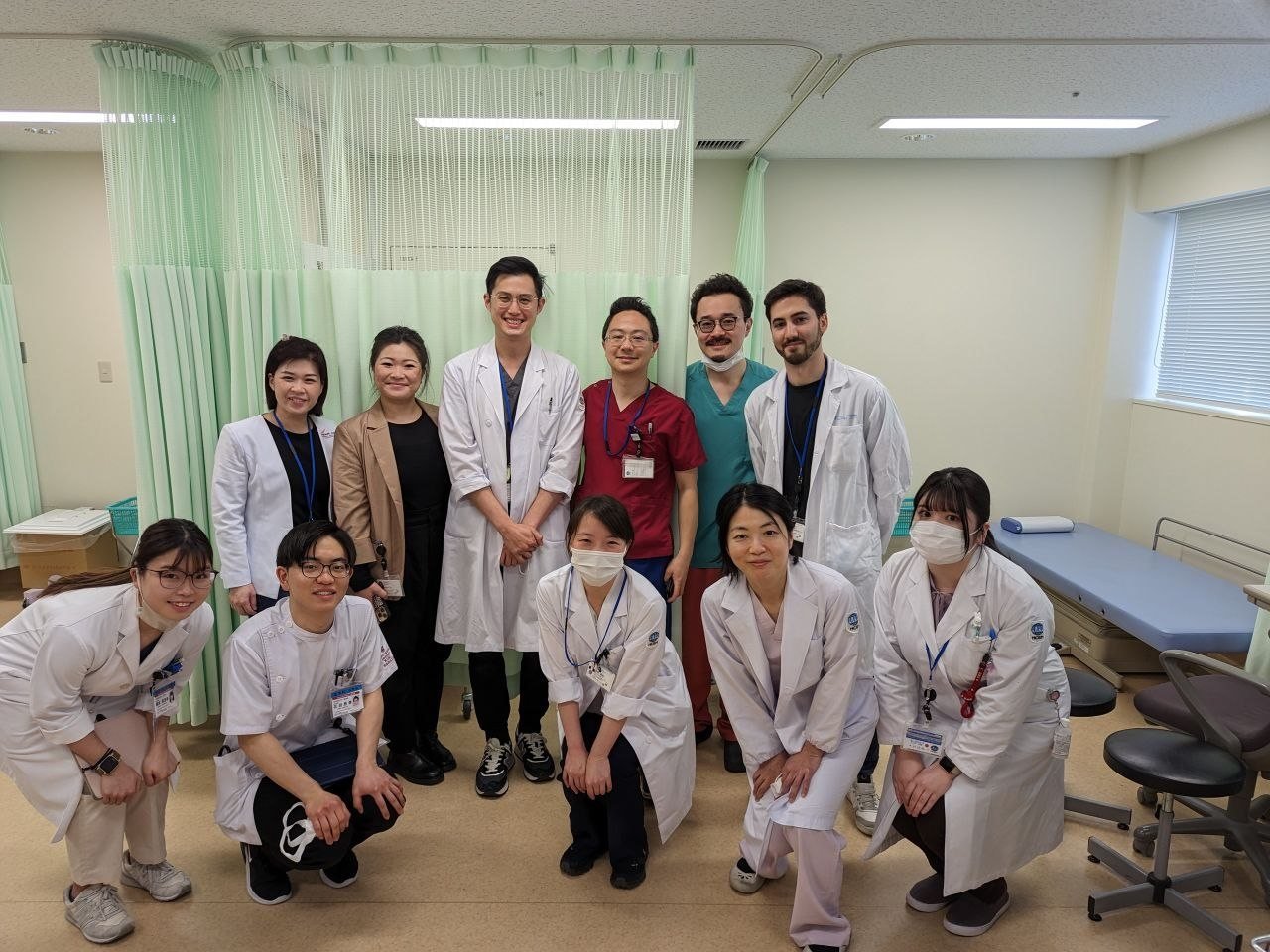
Exposure to experienced lymphatic surgery centres in Japan in 2019–2020 changed his perspective. He saw a more structured approach to LVA planning, including imaging-guided selection of lymphatic channels, attention to pressure and flow, immediate on-table compression where appropriate, and measured follow-up before considering further procedures.
This led him to pursue dedicated MOH-accredited fellowship training in lymphedema surgery in Japan. That training continues to shape his approach in Singapore: careful assessment first, realistic counselling, imaging-guided planning, and use of procedures such as LVA only when the patient’s anatomy and disease pattern are suitable. A fuller personal account is available on Dr Sun’s lymphedema surgery training journey.
Why focused lymphedema training matters
Lymphedema surgery requires careful patient selection, lymphatic imaging, pressure and flow planning, supermicrosurgical technique, compression strategy and long-term follow-up. Focused lymphatic surgery training helps a surgeon discuss realistic goals, risks, non-surgical options and whether procedures such as LVA surgery or vascularized lymph node transfer are appropriate for an individual patient.
Dr. Jeremy Sun’s Approach to Lymphedema Surgery
A Comprehensive Treatment Strategy
Dr. Sun takes an individualized approach to lymphedema treatment. Management may combine conservative therapies such as manual lymphatic drainage (MLD), compression garments, skin care and exercise with surgical options when appropriate. Patients comparing options can also review the overview of lymphedema surgical treatments and typical lymphedema surgery cost considerations in Singapore. This integrative approach allows Dr. Sun to address the root cause of lymphedema while providing symptomatic relief, resulting in long-term patient improvements.
Expertise in Supermicrosurgical Techniques
Dr Sun’s expertise in super microsurgery sets him apart from other surgeons in the field. Supermicrosurgery involves operating on tiny lymphatic vessels, often less than 0.8 millimetres in diameter. Advanced training enables him to perform delicate procedures like lymphovenous bypass (LVB) and vascularized lymph node transfer (VLNT) with unmatched precision. These techniques have been shown to provide significant relief from lymphedema symptoms, reducing swelling and restoring lymphatic flow. Dr Sun did extensive bench training to hone his super microsurgical skills during his training in Japan. He also performed LVB two to three times a week for the whole fellowship period, which gave him enough clinical exposure.
How to Select the Right Lymphedema Specialist
Why Specialized Training Matters
When it comes to lymphedema surgery, specialized training is critical. General surgeons or even microsurgeons without dedicated lymphedema training may lack the knowledge to perform these complex procedures effectively. Patients should seek out surgeons with advanced subspecialty training, like Dr. Sun, who has honed his expertise through a fellowship at the prestigious Supermicrosurgery International Lymphedema Center in Tokyo. Furthermore, the lymphedema field is evolving at a breakneck pace, and one needs to be fully engaged to keep pace with the advancements.
Questions to Ask Your Surgeon
Before committing to lymphedema surgery, it’s essential to ask your surgeon key questions to ensure they are qualified:
- What specific training do you have in lymphedema surgery?
- How many lymphedema surgeries have you performed?
- Do you offer advanced techniques like lymphovenous bypass (LVB) or vascularized lymph node transfer (VLNT)?
- What outcomes are realistic for my stage of lymphedema, and what limitations should I understand?
Credential-based factors to consider
When assessing a lymphedema specialist in Singapore, patients may wish to consider the surgeon’s lymphatic surgery training, experience with lymphedema-specific imaging and procedures, ability to coordinate non-surgical care, and willingness to explain limitations clearly. Dr Sun’s background includes dedicated lymphedema surgery training in Tokyo under Dr Takumi Yamamoto and clinical work in supermicrosurgical lymphatic reconstruction.
The Importance of Early Screening and Intervention
Benefits of Early Lymphedema Detection
Early detection is crucial for managing lymphedema effectively. Patients diagnosed in the early stages may have more treatment options, and some may be suitable for physiologic lymphatic surgery depending on imaging findings and clinical severity. Dr Sun advocates for routine screenings, especially for individuals who have undergone cancer treatments that affect lymph nodes, as early intervention can drastically improve outcomes.
Advanced Surgical Treatments for Early-Stage Lymphedema
Advanced surgical treatments such as lymphovenous bypass / LVA surgery and vascularized lymph node transfer (VLNT) may be considered for selected patients. These procedures aim to improve lymphatic drainage and reduce symptom burden, but outcomes vary by disease stage, tissue changes, infection history and adherence to ongoing care. They should be discussed as part of a broader lymphedema management plan, not as a promise that compression can be stopped.
What patients can discuss during a lymphedema consultation
Assessment, imaging and treatment planning
A specialist consultation usually reviews lymphedema stage, limb measurements, infection history, prior cancer or lymph node treatment, compression use and goals of care. Imaging such as lymphoscintigraphy, ICG lymphography or ultrasound may help clarify whether lymphatic bypass, lymph node transfer, liposuction-type debulking, or non-surgical treatment is most suitable.
Recurrent cellulitis and infection risk
Patients with recurrent skin infections should discuss prevention, skin care, compression, prompt antibiotic treatment and whether lymphatic surgery might have a role in reducing infection burden for selected cases. Read more about lymphedema and cellulitis and preventing lymphedema-related infections.
FAQs about seeing a lymphedema specialist in Singapore
When should I see a lymphedema specialist?
Consider specialist assessment if swelling persists, worsens, affects daily function, follows lymph node surgery or radiation, or is associated with recurrent cellulitis. Early assessment can help confirm the diagnosis and guide compression, therapy, imaging and surgical options.
Does every lymphedema patient need surgery?
No. Many patients are managed with non-surgical measures such as compression, exercise, skin care and lymphatic therapy. Surgery is considered selectively after assessment of symptoms, disease stage, imaging findings and patient priorities.
Conclusion
Dr Jeremy Sun is a plastic surgeon and lymphedema specialist with dedicated clinical training in supermicrosurgery and lymphedema treatment, including training with Dr Takumi Yamamoto. He provides specialist assessment for selected lymphedema treatment options such as lymphovenous bypass (LVB/LVA) and vascularized lymph node transfer (VLNT), with suitability and expected benefit depending on each patient’s stage, imaging findings and clinical condition. Choosing the right surgeon is an important part of lymphedema care. Patients may wish to ask about focused lymphatic surgery training, imaging experience, compression planning and realistic follow-up before deciding where to seek assessment.
How to assess a lymphedema specialist in Singapore
Patients looking for a lymphedema specialist should ask not only whether surgery is offered, but how the diagnosis and treatment plan are made. Lymphedema care may involve conservative therapy, compression planning, infection prevention, lymphatic imaging, LVA, lymph node transfer, reductive procedures or a staged combination of treatments.
A useful due-diligence question is whether the clinician has had dedicated exposure to lymphatic surgery and imaging, including ICG lymphography, ultrasound localisation of lymphatic channels, LVA, lymph node transfer and reductive options. Several months of focused lymphatic surgery exposure is different from brief observation or a general microsurgery rotation where lymphedema is only one component.
When should patients seek specialist assessment?
- Progressive swelling of an arm, leg, breast, trunk or genital region.
- Recurrent cellulitis, repeated infections, fever with limb redness, or worsening skin inflammation.
- Swelling after cancer surgery, lymph node removal, radiotherapy, trauma or infection.
- Uncertainty about whether swelling is lymphedema, venous disease, lipedema or another cause.
- Difficulty maintaining control despite compression therapy and physiotherapy.
Questions to bring to consultation
- What is the likely cause and stage of my lymphedema?
- Do I need ICG lymphography, ultrasound or other imaging?
- Which non-surgical measures should be optimised first?
- Am I a possible candidate for LVA, lymph node transfer, liposuction/reductive surgery, or combined treatment?
- What outcomes are realistic, and what ongoing compression or maintenance may still be needed?
Related Lymphedema Asia resources
- LVA surgery in Singapore
- Lymphedema treatment in Singapore
- Primary vs secondary lymphedema
- Can lymphedema be cured?
Specialist lymphedema assessment and training
Choosing a lymphedema specialist in Singapore
Lymphedema care is not only about choosing one operation. Good assessment should consider the cause of swelling, the stage and tissue characteristics, infection history, previous cancer or lymph node treatment, compression and therapy response, and whether imaging shows functional lymphatic channels that can be used surgically.
For patients considering surgery, it is reasonable to ask about the surgeon’s dedicated lymphatic-surgery training, experience with ICG lymphography and ultrasound localisation, and ability to discuss the full range of treatment options rather than only one preferred technique.
Training and treatment range matter
Surgeons offering lymphedema surgery should ideally have several months of dedicated lymphatic surgery exposure, commonly at least 5–6 months, because treatment selection requires familiarity with more than one procedure. This includes conservative lymphedema care, compression planning, ICG lymphography, ultrasound localisation, LVA, vascularised lymph node transfer, reductive or liposuction-based options where appropriate, and cellulitis prevention strategies.
Dr Jeremy Sun undertook dedicated MOH-accredited lymphatic surgery training in Tokyo and has a clinical focus in lymphedema surgery, supermicrosurgical LVA, lymphatic reconstruction and complex reconstructive microsurgery.
Assessment before deciding on surgery
A specialist consultation should clarify whether swelling is primarily fluid-dominant, fibrotic, fatty, mixed, venous-related, obesity-related, cancer-treatment-related, primary, or due to another cause. This distinction matters because the best treatment may be compression optimisation, therapy, infection prevention, LVA, lymph node transfer, debulking/reductive surgery, or a staged combination.
Patient due-diligence questions
- What is the likely cause and stage of my lymphedema?
- Do I need ICG lymphography, ultrasound mapping or other imaging?
- Are there functional lymphatic channels suitable for LVA?
- Would lymph node transfer or reductive surgery be more appropriate than LVA?
- How does my cellulitis or infection history affect the plan?
- What training has the surgeon had specifically in lymphatic surgery?
- What role should compression therapy and long-term follow-up play after treatment?
Lymphedema doctor, specialist and lymphatic surgery assessment in Singapore
Patients searching for a lymphedema doctor in Singapore, lymphedema specialist in Singapore, or lymphatic surgery assessment often need more than a single treatment label. A specialist consultation usually starts by confirming whether swelling is due to lymphedema, lipedema, venous disease, post-surgical swelling, cancer-treatment related lymphatic injury, or a combination of factors.
Depending on the situation, assessment may include clinical history, examination, limb measurements, review of previous cancer or surgical treatment, infection history, compression use, and lymphatic imaging such as ICG lymphography or ultrasound localisation. Treatment may involve conservative care, compression therapy, physiotherapy, LVA surgery, vascularized lymph node transfer, debulking, or staged combinations after individual review.
For patients considering private pathways, see private lymphedema consultation in Singapore. Cost factors are discussed separately at lymphedema treatment and surgery cost in Singapore.