Lymphedema Surgery Cost in Singapore: What Affects the Price?

Clinically reviewed by Dr Jeremy Sun Mingfa, Plastic, Reconstructive & Lymphedema Surgeon in Singapore. Last reviewed: August 2026.

Singapore treatment pathway: If you are comparing lymphedema or lymphoedema treatment in Singapore, start with the main lymphedema treatment guide. Patients who may need imaging or surgery can also review LVA / lymphovenous bypass surgery in Singapore, lymphedema surgery options, and private lymphedema specialist consultation.

Medical review and author expertise

Quick answer: The cost of lymphedema surgery in Singapore depends on the type of assessment, ICG lymphography findings, procedure chosen, operating facility, anaesthesia, hospital stay, compression garments and follow-up care. A proper plan usually starts with diagnosis and staging rather than a fixed package price.

Reviewed by Dr Jeremy Sun Mingfa, Senior Consultant Plastic and Reconstructive Surgeon in Singapore, with subspecialty expertise in lymphedema surgery and supermicrosurgical lymphatic reconstruction.

Dr Sun completed dedicated overseas training in lymphatic surgery, including lymphovenous bypass / lymphatico-venular anastomosis (LVA), vascularised lymph node transfer, ICG lymphography and ultrasound localisation of lymphatic channels. He has published and lectured internationally on lymphedema, breast reconstruction and microsurgery.

This page is written as patient education for Singapore-based lymphedema care. Fee information is referenced to Ministry of Health Singapore benchmarks where available and should be confirmed with the treating clinic, hospital and insurer before treatment decisions are made.

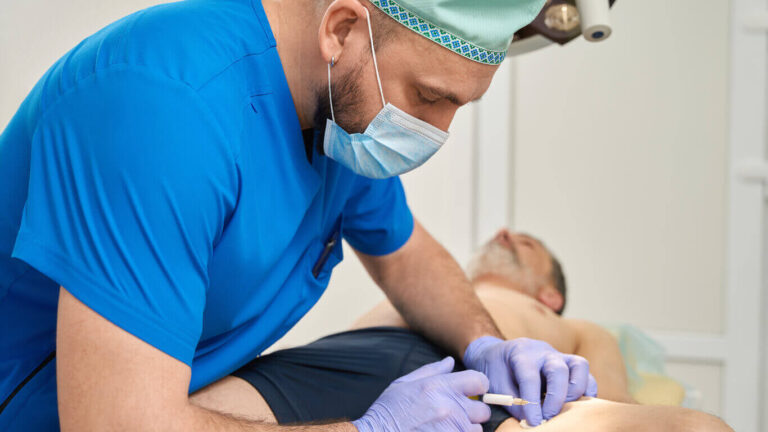
The cost of lymphedema surgery in Singapore varies because lymphedema is not a single-condition, single-operation problem. Fees depend on the type and stage of lymphedema, the investigations required, whether the limb is fluid-dominant or fibrotic, the number of surgical sites, hospital and anaesthetic requirements, and whether surgery is combined with compression or other forms of lymphedema care.

This guide explains the main factors that can affect lymphedema surgery cost, including Ministry of Health Singapore fee benchmarks, hospital and facility charges, anaesthesia, ward choice and follow-up care. It is intended as general educational information rather than a personalised quotation.

How much can lymphedema surgery cost in Singapore?

There is no single fixed price for lymphedema surgery in Singapore because the final bill depends on the operation performed, the anaesthetic plan, the facility or hospital used, ward choice, length of stay, consumables, imaging and post-operative care.

For official fee benchmark information, patients may refer to the Ministry of Health Singapore’s published fee benchmark information for the relevant TOSP procedure code. One relevant MOH reference is: MOH TOSP SE821L bill information.

For lymphovenous bypass / lymphatico-venular anastomosis (LVA) for established lymphedema, the MOH SE821L page lists the procedure as “Lymphatics, Lymphedema, Lympho-Venous/Lymphatico-Venular Anastomoses, Unilateral (Microsurgery)” under TOSP Table 7C. At the time of review, MOH lists the recommended private-sector surgeon fee benchmark for a routine and typical case as S$26,923 to S$38,695 with GST (S$24,700 to S$35,500 without GST).

These MOH figures are fee benchmarks for reference, not a personalised quotation. They also do not represent every component of the final bill. On the MOH SE821L page, anaesthetist and hospital fee data are listed as not available, so patients should clarify these separately with the hospital, clinic and insurer.

In practice, the non-surgeon components of care — including anaesthetist fees, operating facility charges, hospital charges, ward class and length of stay — can vary widely. Depending on where the procedure is performed and the patient’s admission requirements, these additional costs may range from approximately S$15,000 to S$80,000 or more.

Procedures performed under local anaesthesia are generally less costly than procedures performed under general anaesthesia, because general anaesthesia usually requires an anaesthetist and additional facility resources. However, not every patient or procedure is suitable for local anaesthesia. The safest and most appropriate anaesthetic plan depends on the surgical plan, patient factors, expected operating time and clinical circumstances.

For this reason, Lymphedema Asia does not provide a single online fee quote. A meaningful estimate can usually only be discussed after consultation, assessment of lymphedema stage and pattern, review of previous treatment, and any necessary imaging.

Why lymphedema surgery cost varies

Lymphedema can follow cancer treatment, lymph node removal, radiotherapy, infection, trauma, or congenital lymphatic problems. Some patients mainly have excess lymphatic fluid, while others develop progressive fat deposition, skin thickening, fibrosis, or recurrent cellulitis. These differences affect both treatment choice and cost.

  • Diagnosis and staging: early or fluid-predominant lymphedema may be managed differently from advanced fibrotic disease.
  • Imaging and assessment: investigations such as ICG lymphography or ultrasound localisation may be used to assess lymphatic channels and surgical suitability.
  • Type of operation: lymphovenous bypass / LVA, vascularised lymph node transfer, liposuction or reductive procedures involve different surgical plans and resources.
  • Number of operative sites: some patients require multiple bypasses or more than one treatment area.
  • Hospital and anaesthesia costs: these vary according to operating time, facility, anaesthetic plan and whether admission is required.
  • Post-operative care: compression therapy, wound care, therapy review and follow-up planning can affect the overall cost of care.

Types of lymphedema surgery and how they affect cost

LVB / lymphovenous bypass / LVA surgery

Lymphovenous bypass, also called LVB, lymphaticovenular anastomosis or LVA, is a supermicrosurgical procedure that connects suitable lymphatic channels to small veins to help lymphatic fluid drain into the venous system. LVB is a term often used in American medical and insurance contexts, but cost and coverage in Singapore depend on the clinical indication, hospital setting and each patient’s insurance plan. Cost may depend on the number of bypasses planned, the complexity of identifying suitable lymphatics, and whether advanced imaging such as ICG lymphography or ultrasound localisation is used.

Some suitable patients may be managed with a short hospital stay, depending on the surgical plan, anaesthetic recovery and individual clinical circumstances. Not every patient is suitable for LVA, and outcomes vary depending on the pattern and stage of disease.

Vascularised lymph node transfer

Vascularised lymph node transfer involves transferring lymph node tissue with its blood supply to help improve lymphatic drainage in selected cases. It is generally a more complex operation than LVA because it may require donor-site planning, microsurgical vessel connections, specialised equipment, longer operating time and a larger theatre team.

Because lymph node transfer is more involved and may require a longer hospital stay — sometimes around two weeks, depending on the patient, flap monitoring requirements, wound recovery and hospital protocols — the overall cost is usually higher than LVA. The final bill can vary substantially depending on hospital choice, ward class, anaesthesia, length of stay, consumables and post-operative care.

Liposuction or reductive procedures for lymphedema

In more advanced lymphedema where fatty enlargement or fibrosis is a major component, physiological procedures alone may not be enough. Liposuction or other reductive procedures may be considered in selected patients. These procedures have different cost drivers, including operative extent, compression requirements and recovery planning.

When cost discussions should happen

For most patients, cost should be discussed after a structured clinical assessment rather than before the diagnosis and surgical options are clear. The assessment usually considers:

  • how long the swelling has been present;
  • whether swelling improves with elevation or compression;
  • history of cellulitis or recurrent infection;
  • previous cancer surgery, lymph node removal or radiotherapy;
  • skin changes, fibrosis, wounds or leakage;
  • current compression garment use and therapy history;
  • whether the goal is symptom control, limb-volume reduction, infection reduction, or functional improvement.

Recurrent cellulitis is an important reason to seek specialist assessment, because repeated infections can worsen lymphatic damage and quality of life. Surgery is not automatically required, but recurrent infection may change the urgency and type of lymphedema evaluation.

Is lymphedema surgery covered by health insurance?

Lymphedema surgery is generally considered a medical procedure rather than a cosmetic procedure when it is performed for clinically significant lymphedema, functional symptoms, recurrent cellulitis, progressive swelling or complications related to lymphatic disease.

Because it is a medical procedure, lymphedema surgery may be covered by health insurance when medically indicated, depending on the patient’s policy, insurer, hospital, procedure code, clinical indication and pre-authorisation requirements.

Patients should confirm coverage directly with a representative of their insurer before proceeding. Important questions to clarify include:

  • whether the proposed lymphedema surgery is covered under the policy;
  • whether pre-authorisation or a letter of medical necessity is required;
  • whether surgeon, anaesthetist, operating facility and hospital charges are covered separately;
  • whether local anaesthesia and general anaesthesia are treated differently;
  • whether ward class or hospital choice affects coverage;
  • whether post-operative compression therapy, garments or follow-up care are included.

Questions to ask before lymphedema surgery

  • What type and stage of lymphedema do I have?
  • Am I suitable for LVA, lymph node transfer, liposuction, conservative care, or a combination?
  • Will I need ICG lymphography or ultrasound localisation before surgery?
  • How many operative sites or bypasses are being considered?
  • What hospital, anaesthesia and follow-up costs are separate from the surgeon’s fee?
  • What compression or therapy plan is needed after surgery?
  • What are the realistic goals, limitations and risks in my case?

Specialist lymphedema assessment in Singapore

Lymphedema Asia is an educational resource on lymphedema and lymphatic surgery. Dr Jeremy Sun Mingfa is a Singapore plastic and reconstructive surgeon with dedicated overseas training in lymphatic surgery, including lymphovenous bypass / LVA, lymph node transfer, ICG lymphography and ultrasound localisation of lymphatic channels.

If you are considering lymphedema surgery, the most useful next step is usually a proper clinical assessment rather than choosing an operation based on cost alone. Suitability, risks, recovery, compression needs and expected benefits vary from person to person.

Related lymphedema resources

Medical and fee information notice: This page provides general educational information only. It does not replace consultation with a qualified medical professional, insurer, hospital financial counsellor or clinic representative. Diagnosis, treatment suitability, costs, insurance coverage, risks, recovery and outcomes vary between individuals.

Related: Patients comparing providers can also read Lymphedema surgeon in Singapore: Dr Jeremy Sun and how suitability is assessed.

What affects the cost of lymphedema treatment in Singapore?

The cost of lymphedema care varies because treatment is usually planned in stages. A patient with early swelling after cancer treatment may need a different pathway from someone with longstanding fibrotic swelling, recurrent cellulitis, genital lymphedema, or advanced lower-limb disease. Online fee estimates should therefore be treated as general education rather than a substitute for personalised assessment.

Important cost drivers may include:

  • Specialist assessment: diagnosis, staging, limb measurements, infection history and review of prior cancer or surgical treatment.
  • Imaging and investigations: selected patients may require ICG lymphography, lymphoscintigraphy, ultrasound, MRI lymphangiography or other tests depending on the clinical question.
  • Conservative therapy: compression garments, bandaging, skin care, exercise programmes, manual lymphatic drainage and physiotherapy may be needed before or after surgery.
  • Type of surgery: lymphovenous bypass / LVA, vascularised lymph node transfer, lymph vessel transfer, liposuction or debulking surgery differ in complexity, facility requirements and recovery pathway.
  • Anaesthesia and facility setting: day surgery, inpatient care, operating theatre time and anaesthesia requirements can affect total cost.
  • Aftercare: compression, wound care, therapy, follow-up visits and monitoring can contribute to the overall treatment plan.
  • Insurance arrangements: coverage depends on diagnosis, indication, policy terms, pre-authorisation and whether the treatment is considered medically necessary by the insurer.

Can insurance cover lymphedema surgery?

Insurance coverage for lymphedema treatment and surgery is variable. Some policies may consider coverage when there is a documented medical diagnosis, functional impairment, recurrent infection or medically necessary surgery. Other policies may exclude certain garments, therapy sessions, outpatient treatments or procedures. Patients should check directly with their insurer and obtain pre-authorisation where relevant.

A specialist consultation can help document the diagnosis, stage of lymphedema, prior conservative care and rationale for treatment options. This documentation may be useful when discussing coverage with insurers, but it does not guarantee approval.

How to think about value, not only price

Lymphedema care is long-term. The cheapest single intervention may not be the best pathway if it does not address diagnosis, infection risk, compression needs, surgical suitability and follow-up. A careful plan should consider symptom burden, disease stage, work and family needs, travel, garment tolerance in Singapore’s climate, and realistic goals for swelling, function and cellulitis risk.

When should persistent swelling be assessed?

If swelling is persistent, progressive, one-sided, painful, associated with recurrent cellulitis, or difficult to explain, it may need specialist review rather than only home remedies. LymphedAsia has patient guides on lymphedema specialist assessment in Singapore, ICG lymphography, LVA / lymphovenous bypass surgery, and lipedema diagnosis.

Why diagnosis affects lymphedema surgery cost

Cost estimates are more accurate after the type and stage of swelling are clarified. Early fluid-predominant lymphedema may be considered for LVA / lymphovenous bypass if suitable lymphatic channels are seen. More advanced fibrofatty swelling may need different planning. ICG lymphography helps map lymphatic function and guide whether microsurgery is appropriate.

Scroll to Top