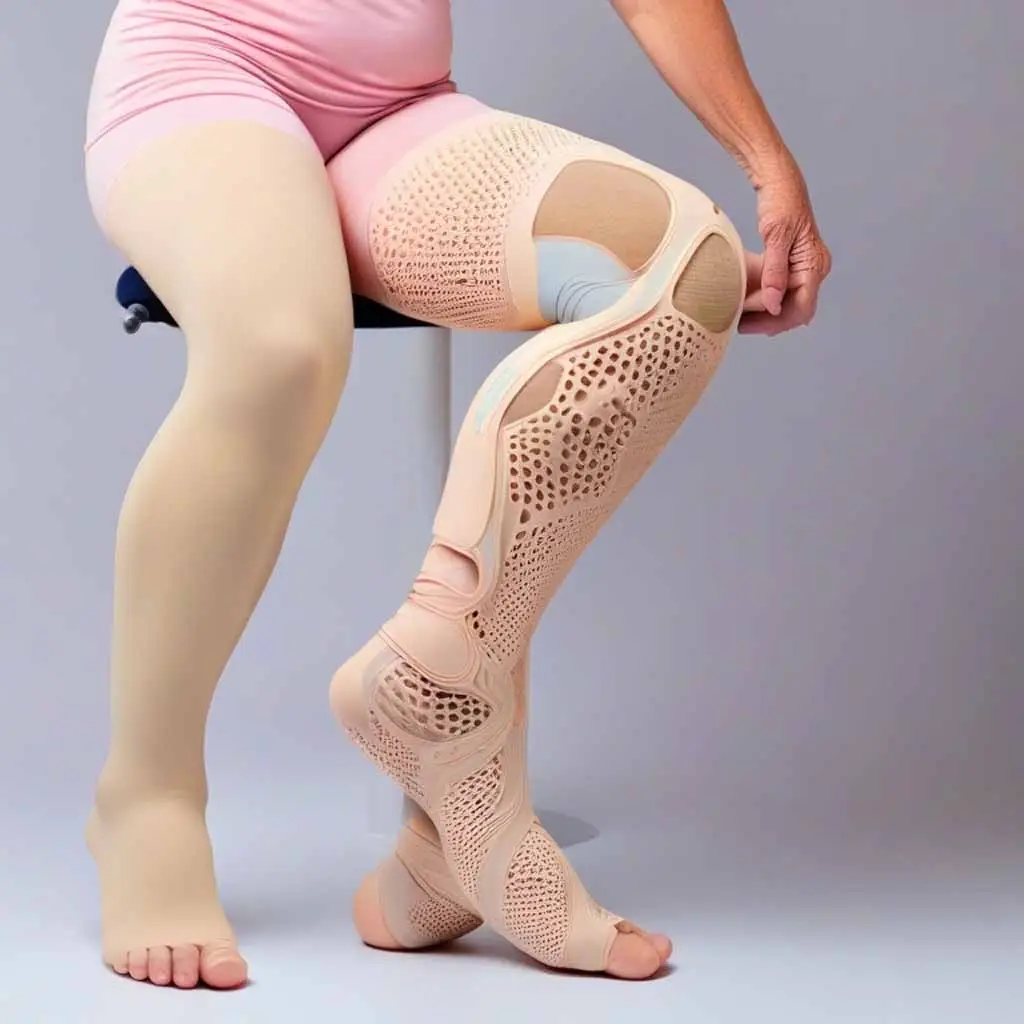
Short answer: Secondary lymphedema occurs when lymphatic drainage is damaged or blocked by another condition or treatment, commonly cancer surgery, lymph node removal, radiotherapy, infection, trauma or scarring.
Clinically reviewed by Dr Jeremy Sun Mingfa, Plastic, Reconstructive & Lymphedema Surgeon in Singapore. Last reviewed: August 2026. This article is for education only and does not replace personalised medical assessment.
Common causes
- breast cancer, gynaecological cancer, melanoma or pelvic cancer treatment;
- lymph node surgery or radiotherapy;
- recurrent cellulitis or severe infection;
- trauma, burns or surgery;
- tumour obstruction or scarring;
- venous disease or obesity as overlapping contributors.
Symptoms
Symptoms may include persistent swelling, heaviness, tightness, reduced movement, skin thickening, recurrent cellulitis and difficulty fitting shoes, sleeves, rings or clothing.
Diagnosis
Diagnosis starts with history and examination. Imaging may be used when the cause is uncertain or when treatment planning requires mapping lymphatic function.
Treatment
Treatment may include compression, complete decongestive therapy, skin care, exercise, infection prevention and selected lymphatic surgery. The plan depends on stage, cause, tissue quality and patient goals.
Frequently asked questions
Is secondary lymphedema different from primary lymphedema?
Yes. Secondary lymphedema follows damage or blockage from another cause, while primary lymphedema relates to developmental lymphatic problems.
Can it develop years after cancer treatment?
Yes. It can appear years later, especially after infection, injury or other stressors.
Can LVA help?
Selected patients may be suitable if imaging shows usable lymphatic channels.
Related surgical guide: If symptoms persist despite appropriate conservative care, or if recurrent cellulitis is a major issue, read LVA surgery in Singapore: lymphovenous bypass for lymphedema.