
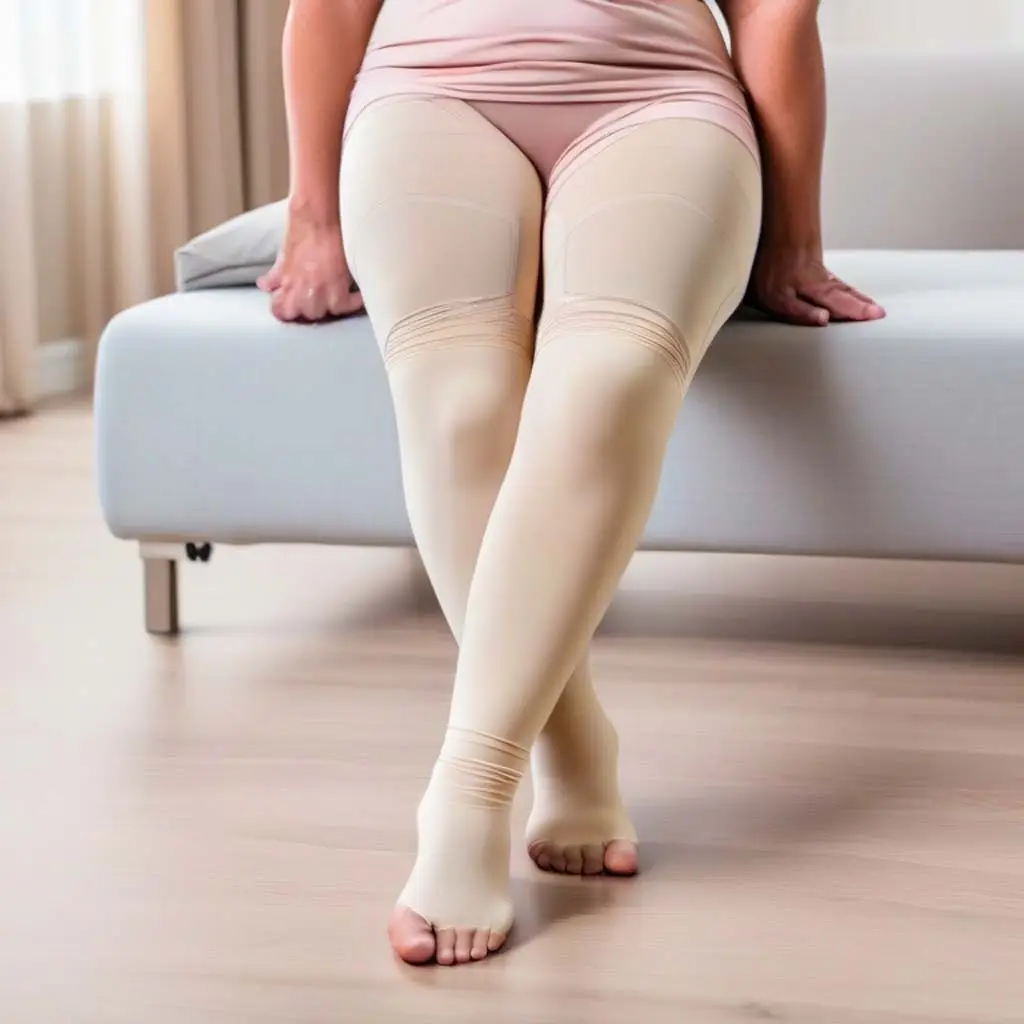
Short answer: if lymphedema is getting worse despite compression, it does not always mean compression has “failed”. The garment may not contain the swelling well enough, the limb may have changed shape, there may be cellulitis or venous disease, or the lymphedema may have progressed from more fluid-dominant swelling toward fibrosis or fat-dominant enlargement. A specialist reassessment can help decide whether the plan should be adjusted, repeated imaging is needed, or selected surgical options such as LVA, VLNT or liposuction/debulking should be discussed.
On this page
- Why compression may stop working
- Checks before changing treatment
- When to consider ICG or ultrasound assessment
- When surgery may enter the discussion
- Red flags and cellulitis
Why lymphedema can worsen despite compression
Compression is still a cornerstone of lymphedema care, but several problems can make swelling feel harder to control:
- Garment fit or class is no longer suitable. A limb that has changed size or shape may need remeasurement or a different fabric/containment level.
- Compression is worn inconsistently or is difficult to tolerate. Pain, heat, skin irritation or slipping can reduce real-world use.
- Fluid has become harder or more fibrotic. Later-stage lymphedema may be less responsive to simple elastic compression alone.
- There is fat-dominant enlargement. When excess fibroadipose tissue is the main volume driver, garment changes alone may not reduce size substantially.
- Another condition is contributing. Venous disease, infection, weight change, medication-related swelling or a different diagnosis can add to the problem.
Checks before changing treatment
Before assuming that compression is ineffective, it is worth checking the basics with a lymphedema therapist or clinician: garment age, fit, fabric stiffness, whether night compression is needed, skin care, manual lymphatic drainage technique, exercise, and whether bandaging or a short period of more intensive CDT is appropriate. Online information cannot determine which compression plan is safe for an individual limb.
When to consider ICG lymphography or ultrasound reassessment
If swelling progresses despite well-fitted compression and conservative care, reassessment may include ICG lymphography and ultrasound mapping. ICG can show lymphatic drainage patterns, while ultrasound may help locate usable lymphatic channels and nearby veins for surgical planning. Imaging does not automatically mean surgery is required; it clarifies the stage and treatment options.
When surgery may enter the discussion
Surgery is usually considered for selected patients, not as a replacement for every compression plan. LVA suitability is more likely when there are usable lymphatic channels and a fluid-dominant component. VLNT or lymphedema liposuction/debulking may be discussed in different patterns of disease. LVA should be understood as functional lymphatic offloading rather than a cure; many patients still need ongoing compression, though the goal may be better control or tolerance in appropriate cases.
Red flags and cellulitis
Sudden redness, warmth, fever, increasing pain or rapidly worsening swelling can suggest cellulitis and needs timely medical care. In established lymphedema, recurrent cellulitis is also a reason to reassess lymphatic drainage and treatment strategy. Learn more about lymphedema and cellulitis warning signs.
Related pathways
If swelling remains difficult to control, start with the specialist assessment and care-planning pathway. If LVA is being discussed, review the LVA recovery guide alongside what affects lymphoedema surgery cost in Singapore, lymphoedema liposuction and debulking surgery, and Dr Jeremy Sun’s clinical pages on lymphoedema surgery assessment in Singapore and lymphovenous bypass / LVA surgery.
Disclaimer: This educational page does not replace individual medical consultation. Suitability for compression changes, imaging or surgery depends on examination, imaging findings, medical history, infection risk, skin condition and patient goals.