
Surgery decision guides: If you are comparing operations, read LVA vs VLNT vs liposuction for lymphedema and am I a candidate for LVA surgery?. For Dr Jeremy Sun’s patient-facing clinician information, see DrJeremySun.com lymphedema surgery.
Last reviewed: August 2026. This page provides general education and does not replace consultation with a qualified medical practitioner.
Assessment before surgery: Modern lymphedema surgery planning may include ICG lymphography, high-resolution ultrasound mapping for LVA and, when appropriate, a private lymphedema consultation in Singapore.
On this page
Related Dr Sun pages: Read Dr Jeremy Sun’s personal-site overview of LVB / LVA lymphovenous bypass surgery in Singapore or his broader plastic surgeon profile. LymphedAsia remains the patient-education hub for lymphedema assessment and treatment options.
Short answer: what lymphedema surgery can do
Lymphedema surgery in Singapore may include lymphaticovenous anastomosis or LVA, vascularised lymph node transfer, reductive surgery or liposuction-type procedures in selected patients. The right option depends on lymphedema stage, ICG lymphography findings, tissue changes, cellulitis history, vein quality and compression planning.
Surgery is not a one-size-fits-all cure. Good assessment helps decide whether surgery is appropriate, which operation is most suitable, and how compression and therapy should be used before and after surgery.
When might lymphedema surgery be considered?
Specialist assessment may be useful when swelling is persistent, progressive, one-sided, associated with recurrent cellulitis, or difficult to control despite compression and conservative care. Some patients are assessed after cancer surgery or lymph node treatment; others have primary or long-standing lymphedema.
Main surgical options
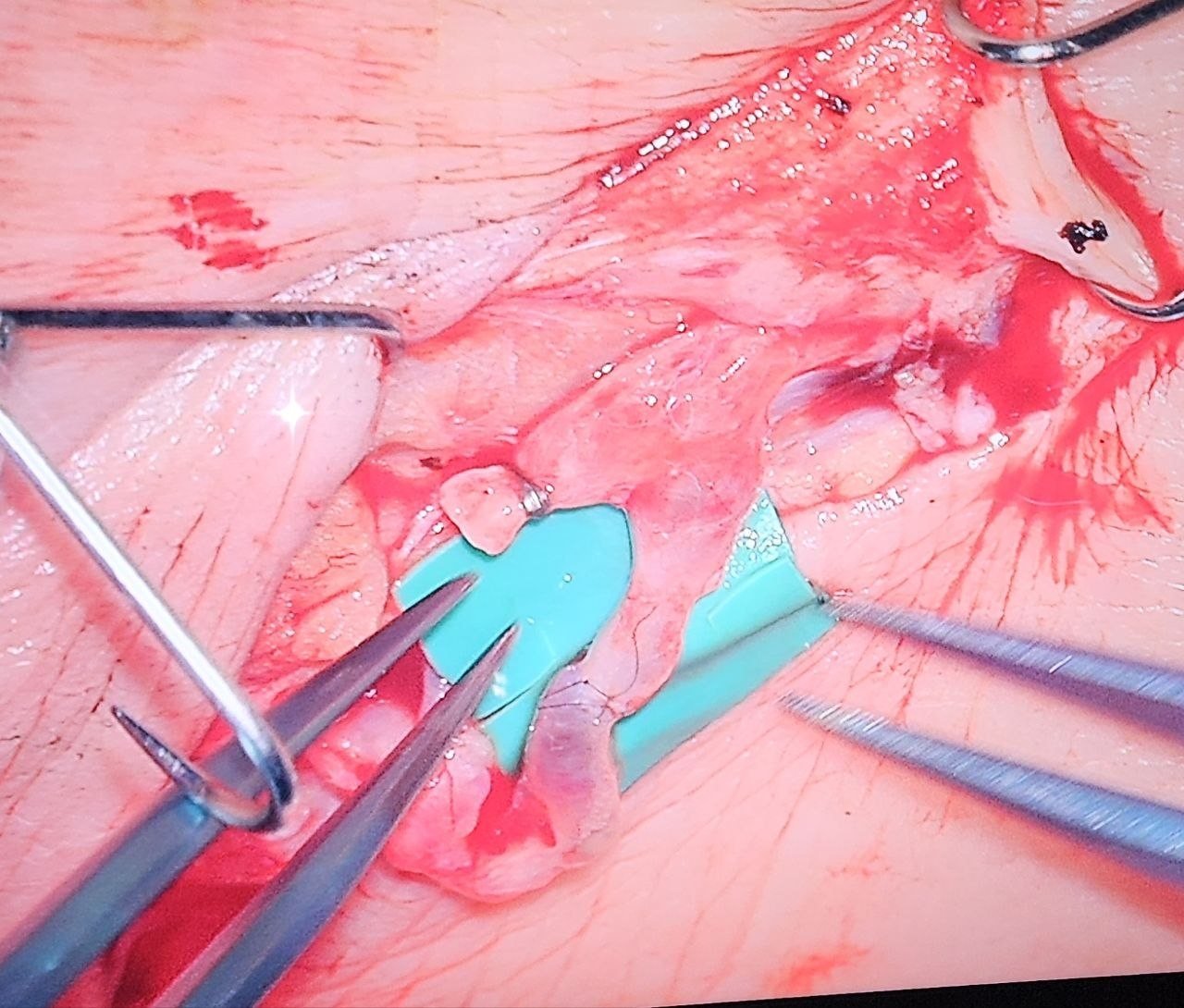
- LVA / lymphovenous bypass: selected lymphatic vessels are connected to nearby small veins to redirect lymph fluid.
- Vascularised lymph node transfer: lymph-node tissue is transferred in selected cases to improve lymph drainage biology.
- Reductive or liposuction-type surgery: may be considered when long-standing swelling has produced significant fibrofatty tissue change.
Why imaging and vein selection matter
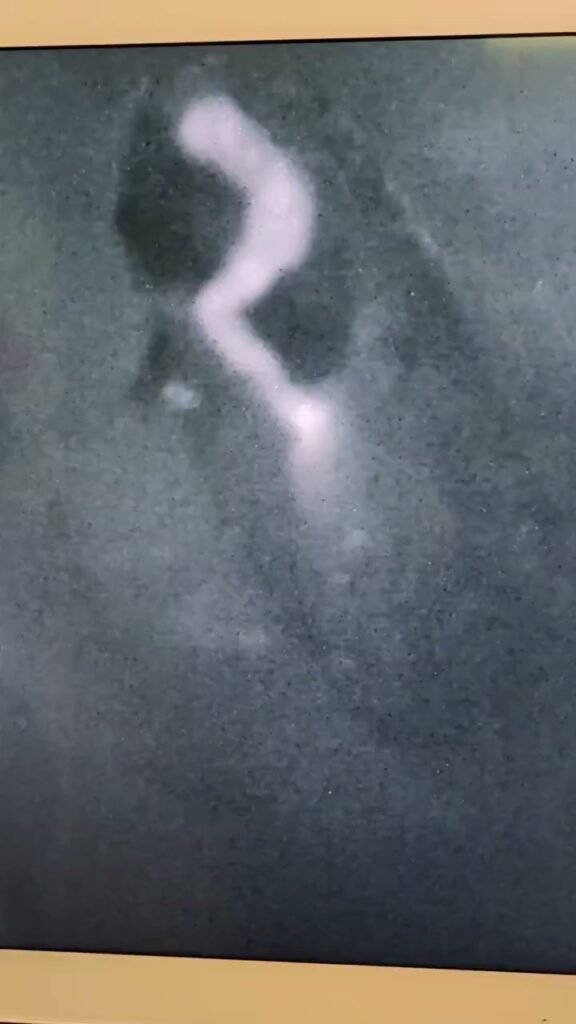
For LVA, surgeons usually need functioning lymphatic channels and suitable small veins. ICG lymphography helps map lymphatic flow patterns; ultrasound may help locate vessels and assess nearby veins. In patients with vein disease, LVA may still be possible, but vein selection and postoperative compression planning become especially important.
Related Singapore resources: Read more about LVA surgery in Singapore, LVA in patients with vein disease, and lymphedema specialist assessment with Dr Jeremy Sun.
Questions to ask before lymphedema surgery
- What stage of lymphedema do I have?
- What did my ICG lymphography show?
- Am I suitable for LVA, lymph node transfer, reductive surgery, or continued conservative care?
- How will compression be used before and after surgery?
- What are realistic goals: swelling reduction, fewer infections, less heaviness, garment changes, or slowing progression?
Medical information notice: outcomes vary between individuals. This page is educational and should not be used to decide on surgery without formal consultation.
Related: Ultrasound mapping for LVA surgery explains why high-frequency ultrasound can identify lymphatic targets even when ICG linear patterns are absent in selected patients.
Core guide: Lymphedema treatment in Singapore explains how diagnosis, compression therapy, ICG lymphography, ultrasound mapping, LVA and advanced-stage surgery fit into a complete treatment pathway.
Evidence-based pathway: Dr Jeremy Sun generally starts patients on appropriate complete decongestive therapy (CDT), compression optimisation, exercise, skin care and education, then reassesses response after about 3 to 6 months. Surgery is considered when swelling does not improve enough, worsens, remains functionally limiting, or recurrent cellulitis persists despite appropriate conservative care. See the full lymphedema treatment in Singapore pathway.
How to seek lymphedema surgery assessment
For non-urgent private consultation enquiries, patients can message Astrid on WhatsApp or use the Astrid Plastic Surgery contact page. Assessment is needed before deciding whether LVA, VLNT, compression optimisation or another pathway is appropriate.
This route is for non-urgent enquiries only. Sudden worsening swelling, fever, spreading redness, severe pain or symptoms of infection should be assessed urgently by a medical service.
Related LVA patient guides
- Can LVA cure lymphedema? — why surgery improves lymphatic function but does not rebuild a completely normal lymphatic system.
- Can I stop wearing compression after LVA? — how compression may be reduced gradually in suitable patients.
- Why early LVA gives better results — why earlier, fluid-predominant lymphedema has better outcomes.
Related guide: When Is LVA Surgery Too Late for Lymphedema? explains how pitting, fibrosis and narrowed lymphatic channels affect whether LVA remains suitable in later-stage lymphedema.
Recurrent cellulitis despite conservative therapy
For patients with established lymphedema who have already been on appropriate conservative therapy, even one or two episodes of cellulitis are a strong reason to seek specialist lymphatic assessment. LVA does not replace compression, skin care or prompt antibiotics when infection occurs, but in suitable patients lymphatic offloading may reduce congestion and may reduce the tendency toward recurrent cellulitis. Read more about lymphedema and cellulitis risk.