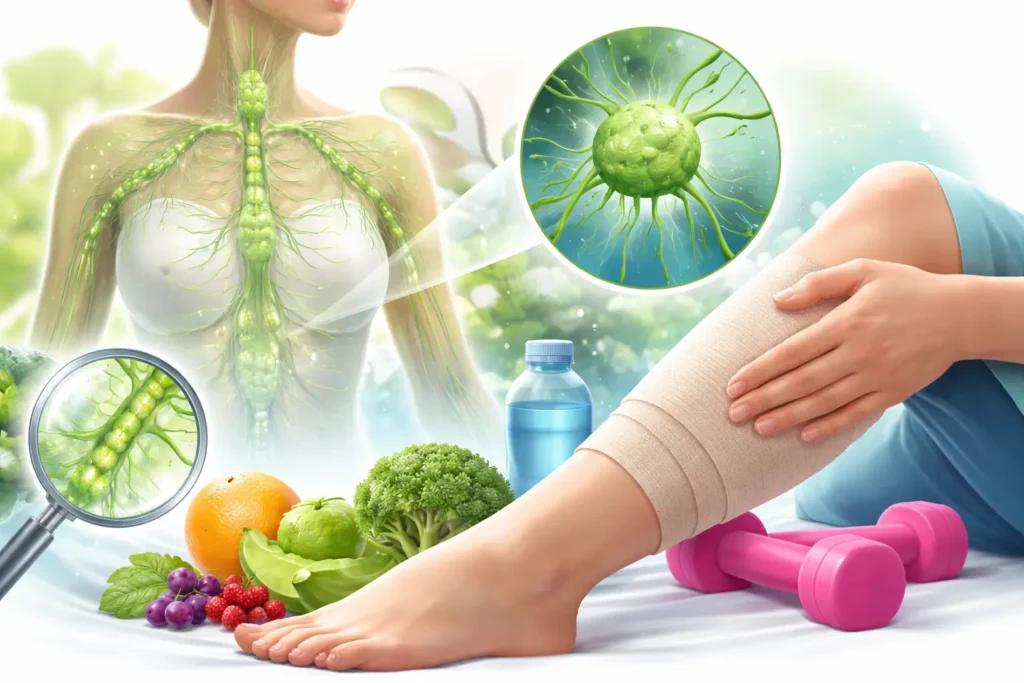
Welcome to an in-depth exploration of lymphatic health and its crucial role in preventing lymphedema. Lymphedema, a condition characterized by swelling, can significantly impact quality of life. Understanding the lymphatic system and adopting proactive strategies can be instrumental in lymphedema prevention and overall well-being.
Lymphedema: Understanding the Condition
What is Lymphedema?
Lymphedema is a chronic condition that results in swelling, typically in the arms or legs, but can occur in other parts of the body. This swelling is caused by a build-up of lymphatic fluid when the lymphatic system is damaged or blocked. Understanding this condition is the first step toward effective lymphedema prevention and management.
Symptoms of Lymphedema
Lymphedema symptoms can vary, but commonly include swelling in an arm or leg, a feeling of heaviness or tightness, and decreased range of motion. Patients with lymphedema may also experience aching or discomfort. Early diagnosis of lymphedema is crucial, as managing lymphedema becomes more challenging as the condition progresses.
Causes and Risk Factors
Lymphedema can be classified as primary lymphedema or secondary lymphedema. Primary lymphedema is rare and results from genetic mutations that cause the lymphatic system to develop improperly. Secondary lymphedema is more common and is caused by damage to the lymphatic system, such as through cancer treatment, cancer surgery, or radiation therapy. Understanding these causes is key to lymphedema prevention.
The Lymphatic System and Its Importance
Overview of the Lymphatic System
The lymphatic system is a crucial network of tissues and organs that helps rid the body of toxins, waste, and other unwanted materials. It includes the lymph nodes, lymphatic vessels, and lymphatic fluid. The lymphatic system plays a vital role in immune function and maintaining fluid balance in the body, and its overall importance cannot be understated.
Functions of the Lymphatic System
The lymphatic system performs several key functions, including transporting lymphatic fluid, filtering waste through lymph nodes, and fighting infection. Lymph nodes contain immune cells that help trap and destroy pathogens. Proper function of the lymphatic system is essential for overall health and plays a significant role in lymphedema prevention. The lymphatic system needs to be functioning in order to avoid serious issues.
How Lymphatic Health Affects Overall Well-being
Maintaining a healthy lymphatic system is essential for overall well-being. When the lymphatic system functions optimally, it supports immune function, reduces inflammation, and promotes efficient waste removal. Poor lymphatic health can contribute to various health issues, including the development of lymphedema. Lymphatic massage can help reduce swelling and promote lymphatic drainage.
Lymphedema Prevention Strategies
Identifying Risk Factors for Lymphedema
Identifying risk factors is crucial for effective lymphedema prevention. Individuals undergoing cancer treatment, particularly breast cancer surgery or radiation therapy, face an elevated risk of developing secondary lymphedema. Other risk factors include obesity, infections, and a family history of primary lymphedema. Recognizing these factors allows for targeted strategies to reduce swelling and prevent lymphedema.
Practical Tips for Lymphedema Prevention
Here are several practical tips that can aid in lymphedema prevention. In particular, it is important to focus on:
- Maintaining a healthy weight
- Avoiding injury to the affected limb
- Practicing meticulous skin care to prevent infections
Regular exercise and incorporating lymphatic massage can also promote lymphatic fluid drainage, thereby reducing the risk of developing lymphedema, especially for patients at risk.
Role of Diet and Exercise in Lymphatic Health
Diet and exercise play a vital role in maintaining lymphatic health and lymphedema prevention. A balanced diet rich in fruits, vegetables, and lean protein supports overall lymphatic function. Regular exercise, including both aerobic and resistance training, helps improve lymphatic fluid circulation. Specific exercises designed to target the lymphatic vessels can further enhance drainage, reduce swelling, and prevent the opportunity to develop lymphedema. This promotes the healthy function of the lymphatic system.
Lymphedema After Treatment: A Closer Look
Understanding Lymphedema After Cancer Surgery
Lymphedema often emerges as a complication following cancer surgery, particularly when lymph nodes are removed. The disruption of lymphatic vessels during surgery can impair lymphatic fluid drainage, leading to swelling and discomfort. Understanding the mechanisms behind post-surgical lymphedema is essential for implementing timely interventions and minimizing long-term complications. Breast cancer surgery is a common trigger for breast cancer–related lymphedema.
How to Manage Lymphedema Symptoms Post-Treatment
Managing lymphedema symptoms post-treatment involves a multifaceted approach. Several key strategies can help manage the condition effectively, including:
- Compression therapy, using compression garments, which helps reduce swelling and improve lymphatic fluid flow.
- Manual lymphatic drainage, performed by a certified lymphedema therapist, to further enhance lymphatic drainage.
Regular exercise and proper skin care are also crucial components of managing lymphedema effectively. If you are struggling to treat lymphedema, seek advice from a lymphedema specialist.
Seeking Early Diagnosis and Intervention
Early diagnosis and intervention for lymphedema are paramount for optimal outcomes. Recognizing lymphedema symptoms promptly and seeking assessment from a lymphedema specialist can facilitate timely treatment. Early intervention may involve compression therapy, manual lymphatic drainage, and lifestyle modifications. Delaying treatment can lead to progression of the condition and increased morbidity. Early intervention is key to managing lymphedema.
Treatment Options for Lymphedema
Overview of Lymphedema Treatment
Treatment of lymphedema typically involves a combination of therapies aimed at reducing swelling and improving lymphatic function. Complete decongestive therapy (CDT) is a common approach, incorporating manual lymphatic drainage, compression therapy, exercise, and skin care. Other treatment options may include pneumatic compression devices and, in select cases, surgical interventions like lymphatic microsurgical procedures. Treatment options depend on the severity of lymphedema symptoms.
Lymphatic Drainage Massage Techniques
Lymphatic drainage massage, also known as manual lymphatic drainage, is a specialized technique used to stimulate lymphatic fluid flow. Performed by a certified lymphedema therapist, this gentle massage technique helps redirect lymphatic fluid from congested areas to functional lymphatic vessels. Regular lymphatic massage can reduce swelling, alleviate discomfort, and improve overall lymphatic function in patients with lymphedema. The lymphatic system will thank you.
Surgical Treatment of Lymphedema
Surgical treatment of lymphedema is considered in select cases where conservative therapies are insufficient. Lymphatic microsurgical procedures, such as lymphaticovenous anastomosis (LVA), involve connecting lymphatic vessels to nearby veins to improve lymphatic drainage. Another surgical option is vascularized lymph node transfer (VLNT), where healthy lymph nodes are transplanted to the affected area to restore lymphatic function. In severe chronic lymphedema, surgical removal of excess tissue may be considered.
Managing Lymphedema Effectively
Daily Management Strategies
Effective management of lymphedema involves consistent daily strategies to reduce swelling and maintain lymphatic function. This often includes a combination of therapies, such as:
- Compression therapy with compression garments
- Meticulous skin care to prevent infections
Regular exercise and lymphatic massage can further enhance lymphatic drainage. Patients with lymphedema should also monitor their symptoms and seek prompt attention for any changes to maintain lymphatic health.
Support Resources for Individuals with Lymphedema
Accessing support resources is vital for individuals managing lymphedema. Lymphedema support groups offer a platform for sharing experiences and gaining emotional support. Certified lymphedema therapists provide specialized treatment, including manual lymphatic drainage. Online resources and educational materials can offer guidance on lymphedema prevention and self-management strategies. Seeking professional help is essential in managing lymphedema effectively for patients with lymphedema.
Future Insights and Trends in Lymphedema Care
Future insights into lymphedema care are focused on advancing treatment options and improving patient outcomes. Research into lymphatic microsurgical techniques holds promise for restoring lymphatic function. Innovations in compression therapy and lymphatic drainage massage may offer more effective ways to reduce swelling. Personalized treatment approaches, tailored to individual needs, are also gaining traction to treat lymphedema and prevent lymphedema in the long-term.
Conclusion
Recap of Key Points
In summary, maintaining lymphatic health is essential for lymphedema prevention. Understanding the lymphatic system, identifying risk factors, and adopting proactive strategies are crucial. Early diagnosis and intervention, coupled with appropriate treatment options such as compression therapy and manual lymphatic drainage, can significantly improve outcomes. Prioritizing lymphatic health contributes to overall well-being and a reduced risk of developing lymphedema for those at risk.
Final Advice for Maintaining Lymphatic Health
To maintain optimal lymphatic health and prevent lymphedema, prioritize a healthy lifestyle with regular exercise and a balanced diet. Practice meticulous skin care to prevent infections, and avoid injury to limbs at risk. Consider incorporating lymphatic massage into your routine, and seek guidance from a lymphedema specialist if you have concerns about lymphatic function. Managing lymphedema is possible with professional care.
FAQs about Lymphedema
What are the early signs of lymphedema?
Early signs of lymphedema may include subtle swelling in an arm or leg, a feeling of heaviness or tightness, and unexplained aching or discomfort. Changes in skin texture and decreased range of motion can also be indicators. Recognizing these early lymphedema symptoms and seeking prompt evaluation is crucial for early intervention.
Can lymphedema be cured?
While there is currently no cure for lymphedema, it can be effectively managed with appropriate treatment. Treatment options, such as compression therapy, manual lymphatic drainage, and exercise, can help reduce swelling, improve lymphatic function, and enhance quality of life. Ongoing management and lifestyle adjustments are essential for controlling lymphedema symptoms.
How can I prevent lymphedema after surgery?
To prevent lymphedema after surgery, follow your healthcare provider’s recommendations, including wearing compression garments as prescribed. Practice meticulous skin care to prevent infections, and avoid injury to the affected limb. Engage in regular exercise and consider lymphatic massage to promote lymphatic fluid drainage. Early intervention is key in managing lymphedema.
What lifestyle changes can help manage lymphedema?
Lifestyle changes that can help manage lymphedema include maintaining a healthy weight, following a balanced diet, and engaging in regular exercise. Avoid tight clothing or jewelry that may restrict lymphatic flow. Practice meticulous skin care, and protect the affected limb from injury. Incorporating lymphatic massage into your routine can further support lymphatic function and prevent lymphedema.
When should I seek professional help for lymphedema?
Seek professional help for lymphedema if you experience persistent swelling, heaviness, or discomfort in an arm or leg. If you notice changes in skin texture, decreased range of motion, or recurrent infections, consult a healthcare provider or lymphedema specialist. Early diagnosis and intervention are crucial for managing lymphedema effectively, with treatment options available to help.