
Short answer: Leg swelling after cancer surgery may be temporary, but persistent or progressive swelling can indicate lymphedema, venous disease, infection, scarring or reduced mobility. Assessment is important after pelvic, groin, gynaecological, urological, melanoma or other cancer treatments that affect lymph drainage.
Next assessment step: Persistent leg swelling after cancer surgery may need lymphedema assessment with ICG lymphography, ultrasound mapping for LVA, and a private lymphedema consultation in Singapore.
On this page
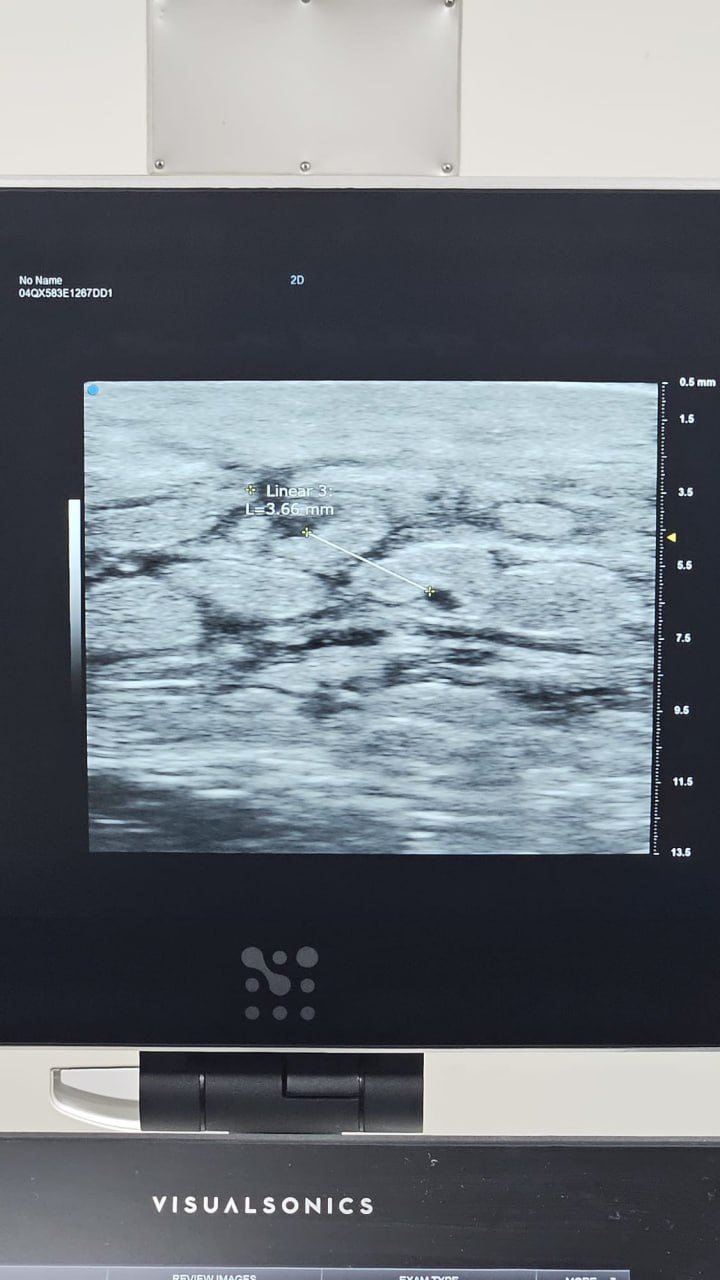
Leg swelling after cancer surgery may be temporary post-operative swelling, but persistent or progressive swelling can sometimes reflect lymphedema, venous problems, infection, scarring, reduced mobility or other medical causes. In Singapore, specialist assessment may help distinguish normal recovery from lymphatic injury after pelvic, groin, gynaecological, urological, melanoma or other cancer treatments.
Specialist-reviewed educational resource: Lymphedema Asia is clinically reviewed by Dr Jeremy Sun Mingfa, a Singapore plastic surgeon with dedicated lymphatic surgery training. This page is educational and does not replace personalised medical consultation.
Why cancer treatment can cause leg swelling
Lymph nodes and lymphatic channels help drain fluid from the legs. Cancer surgery, lymph node removal, radiotherapy, infection or scarring can disrupt this drainage. Some patients notice swelling soon after treatment; others develop symptoms months or years later.
When swelling may suggest lymphedema
- one leg becomes heavier, tighter or larger than the other;
- swelling persists despite normal post-operative recovery;
- skin feels thickened, firm or less flexible;
- recurrent cellulitis, redness or fever occurs;
- shoes, socks or clothing become tighter on one side;
- swelling worsens with heat, standing or long days.
Other causes still need to be considered
Not all post-cancer leg swelling is lymphedema. Venous disease, deep vein thrombosis, heart, kidney or liver issues, medication effects, low protein, recurrent cancer, infection and musculoskeletal problems may need to be excluded depending on the clinical situation.
How specialist assessment may help
Assessment may include history, examination, limb measurements, review of cancer treatment, compression history, infection history and investigations such as duplex ultrasound or ICG lymphography when appropriate. Early diagnosis can help guide compression, skin care, physiotherapy and surgical discussions.
Treatment pathways
Treatment may include compression garments, manual lymphatic drainage, exercise, weight optimisation, skin care, infection prevention and, for selected patients, microsurgical options such as LVA surgery. Surgical suitability depends on stage, imaging and individual risk-benefit assessment.
Related resources: lymphedema treatment in Singapore, treatment and surgery cost factors, and Dr Jeremy Sun’s lymphedema specialist profile.
Frequently asked questions
Is leg swelling after cancer surgery always lymphedema?
No. It can have several causes. Persistent, one-sided, progressive or infection-associated swelling deserves medical assessment.
Can lymphedema appear years after cancer treatment?
Yes. Lymphedema can develop months or years after lymph node surgery or radiotherapy, especially after infection, weight change, injury or progressive lymphatic overload.
Frequently asked questions
When is leg swelling after cancer surgery concerning?
Persistent, progressive, painful, red, hot or one-sided swelling should be assessed, especially if there is fever, shortness of breath or sudden worsening.
Can cancer lymph node surgery cause leg lymphedema?
Yes. Removal or radiotherapy of groin or pelvic lymph nodes can disrupt lymph drainage and increase lymphedema risk.
What tests may help assess post-cancer leg swelling?
Assessment may include clinical examination and, where appropriate, venous tests, lymphatic imaging such as ICG lymphography, or other investigations depending on symptoms.
This page provides general education and does not replace personalised consultation. Suitability, risks, recovery and outcomes vary between individuals.