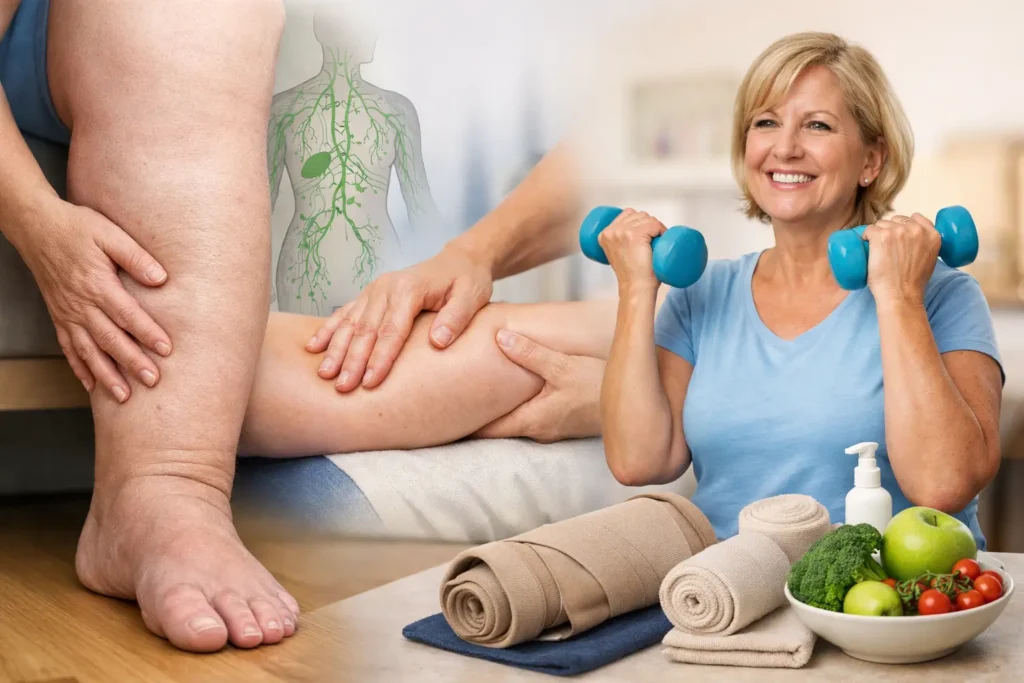
Lymphedema is a chronic condition that causes swelling, typically in the arms or legs. It occurs when the lymphatic system, responsible for draining lymph fluid, is impaired. Understanding the symptoms, causes, and available treatments is essential to effectively manage lymphedema and improve the quality of life for those affected.
Understanding Lymphedema
What is Lymphedema?
Lymphedema is a condition characterized by swelling due to a buildup of lymph fluid in the body. This swelling most commonly affects an arm or leg, but it can also occur in other areas. The lymphatic system, a crucial part of the immune system, is responsible for draining lymph fluid, which contains waste and toxins, through a network of lymph vessels and lymph nodes.
Symptoms of Lymphedema
The symptoms of lymphedema can vary from mild to severe, and they may develop gradually or suddenly. Common symptoms include swelling in an arm or leg, a feeling of heaviness or tightness, restricted range of motion, and recurring infections. Skin changes, such as thickening or hardening, may also occur in the affected limb as the condition progresses. If you experience these symptoms, it is crucial to seek medical advice to properly manage lymphedema.
Causes of Lymphedema
Lymphedema can be classified into two main types: primary lymphedema and secondary lymphedema. Primary lymphedema is a rare, inherited condition caused by abnormalities in the development of the lymphatic system. Secondary lymphedema is more common and can develop as a result of cancer treatment, particularly after lymph node removal or radiation therapy. Other potential causes of secondary lymphedema include infections, injuries, scar tissue, and certain medical conditions. Understanding the potential causes helps in seeking appropriate treatment for lymphedema.
How to Treat Lymphedema
Decongestive Therapy Overview
Decongestive therapy is considered the gold standard treatment for lymphedema. This comprehensive approach aims to reduce swelling and improve lymph fluid drainage. It typically involves a combination of manual lymph drainage (MLD), compression bandages, exercises for lymphedema, and meticulous skin care. The specific components of decongestive therapy are tailored to each individual’s needs and the severity of their lymphedema. This therapy provides an effective way to treat lymphedema.
Manual Lymph Drainage (MLD)
Manual lymph drainage (MLD) is a specialized massage technique performed by a trained therapist to stimulate the lymphatic system and promote lymph drainage. The therapist uses gentle, rhythmic strokes to move lymph fluid from the affected area to other parts of the body where it can be properly drained. MLD can help reduce swelling, improve circulation, and alleviate discomfort associated with lymphedema. Many find it beneficial to manage lymphedema.
Lymphatic Drainage Techniques
In addition to manual lymph drainage (MLD), various other lymphatic drainage techniques can be used to manage lymphedema. These often involve self-management strategies, including:
- Simple lymphatic drainage exercises that individuals can perform at home to promote lymph flow.
- Compression garments, such as sleeves or stockings, which are essential for maintaining the reduction in swelling.
Proper skin care is also crucial to prevent infections and maintain skin integrity. These methods are important for lymphedema treatment.
Managing Lymphedema in Daily Life
Practical Tips to Live with Lymphedema
Living well with lymphedema involves integrating several helpful practices into your everyday life. Key among these are strategies focused on managing swelling and preventing complications, including:
- Wearing a compression garment, like a sleeve or stocking, to support the affected limb and encourage lymph drainage.
- Practicing regular skin care, which includes moisturizing and maintaining cleanliness to help prevent infections.
Additionally, protecting the affected limb from injury and avoiding restrictive clothing or jewelry are also important aspects of lymphedema management.
Exercises for Lymphedema
Specific exercises for lymphedema can significantly improve lymph drainage and reduce swelling. These exercises typically involve gentle, repetitive movements that encourage lymph fluid to move through the lymphatic system. Examples include arm circles, leg raises, and ankle pumps. A physical therapist can design a personalized exercise program tailored to your specific needs and abilities. Regular exercise can help to manage lymphedema and improve overall well-being, aiding lymphatic drainage.
Dietary Considerations
Diet plays a crucial role in managing lymphedema. A balanced diet low in sodium can help reduce fluid retention and swelling. It’s important to stay hydrated by drinking plenty of water to support lymph flow and overall health. Incorporating anti-inflammatory foods, such as fruits, vegetables, and omega-3 fatty acids, may also be beneficial. Consulting with a registered dietitian can provide personalized dietary recommendations to help manage lymphedema effectively and aid the lymphatic system.
Special Considerations for the Elderly
Challenges Faced by Older Adults
Older adults often face unique challenges when dealing with lymphedema. Age-related changes, such as decreased mobility and reduced skin elasticity, can make it more difficult to manage lymphedema effectively. Elderly individuals may also have other underlying health conditions that can complicate treatment for lymphedema. It is essential to tailor treatment plans to address these specific challenges and ensure the safety and comfort of older adults while they treat lymphedema.
Tailored Lymphedema Treatment Options
Tailoring lymphedema treatment options for elderly patients requires careful consideration. Several approaches can be particularly beneficial, including:
- Gentle manual lymph drainage techniques performed by a skilled therapist to improve lymph drainage without discomfort.
- Properly fitted compression garments to ensure effectiveness and comfort.
Assistive devices, such as compression bandage applicators, can also help older adults manage their compression bandages independently. A comprehensive approach that considers the individual needs of elderly patients is essential for effective treatment for lymphedema.
Support Resources for Elderly Patients
Providing adequate support resources for elderly patients with lymphedema is vital. Support groups and online forums can connect older adults with others who understand their challenges and provide emotional support. Educational resources can help patients and their caregivers learn about lymphedema and how to manage lymphedema effectively. Home health services can provide assistance with skin care, compression garment application, and other aspects of lymphedema management. These resources can significantly improve the quality of life for elderly patients living with lymphedema.
Case Studies and Current Trends
Success Stories in Managing Lymphedema
Numerous success stories highlight the effectiveness of comprehensive lymphedema management. Patients who diligently follow their treatment plans, incorporating manual lymph drainage (MLD), compression garments, and regular exercises for lymphedema, often experience significant reductions in swelling and improvements in their quality of life. These stories serve as a testament to the importance of early intervention and consistent self-care in effectively managing lymphedema and its challenging symptoms.
Recent Research from the Mayo Clinic
The Mayo Clinic has been at the forefront of lymphedema research, consistently contributing to our understanding of this condition. Recent studies focus on innovative lymphatic drainage techniques and therapies to improve outcomes for patients with lymphedema. Their research also investigates the genetic factors that may cause lymphedema, particularly primary lymphedema, paving the way for more targeted and personalized treatments in the future. Their findings provide valuable insights into how to better treat lymphedema.
Future Insights in Lymphedema Treatment
The future of lymphedema treatment looks promising, with ongoing research exploring novel therapies and technologies. Gene therapy shows potential for correcting lymphatic system abnormalities that cause lymphedema. Advances in microsurgery offer opportunities to repair damaged lymph vessels and improve lymph flow. Researchers are also developing more sophisticated compression garment technologies that provide better support and comfort. These developments aim to provide more effective and less invasive ways to treat lymphedema and improve the lives of those affected, especially when secondary lymphedema is a concern. The main goal is to reduce swelling and pain.
Conclusion and FAQs
Recap of Key Points
Lymphedema, characterized by swelling typically in an arm or leg, results from lymphatic system impairment. Effective management requires understanding lymphedema symptoms and adopting strategies like manual lymph drainage, compression bandages, and specialized exercises for lymphedema. Special consideration should be given to elderly patients. Tailored treatment options, support resources, and lifestyle adjustments help those living with lymphedema maintain a good quality of life. Proper skin care is paramount in managing this condition.
Final Advice for Managing Lymphedema
Living with lymphedema requires a proactive and consistent approach. Early diagnosis and intervention are crucial to prevent the condition from progressing. Work closely with your healthcare team, including therapists and physicians, to develop a personalized treatment plan. Embrace self-care practices such as regular exercise, meticulous skin care, and proper use of compression garments. Stay informed about the latest research and advancements in lymphedema treatment to optimize your management strategy. By prioritizing your health and well-being, you can effectively manage lymphedema and maintain an active and fulfilling life, even when there is a risk of lymphedema after breast cancer treatment.
FAQs about Lymphedema
Q1: Can lymphedema be cured?
While there is currently no cure for lymphedema, it can be effectively managed with appropriate treatment and self-care strategies. Early intervention can minimize symptoms and prevent progression.
Q2: What is the role of compression garments in lymphedema management?
Compression garments, such as sleeves or stockings, provide external support to the affected limb, promoting lymph fluid drainage and reducing swelling. They are an essential component of lymphedema treatment.
Q3: Are there any dietary restrictions for people with lymphedema?
A balanced diet low in sodium can help reduce fluid retention. Staying hydrated and incorporating anti-inflammatory foods may also be beneficial. Consult with a registered dietitian for personalized recommendations to manage lymphedema.
Q4: How can I prevent infections in the affected limb?
Meticulous skin care is crucial. Keep the skin clean and moisturized, protect it from injuries, and promptly treat any cuts or abrasions to prevent infections. Be aware of the risk of lymphedema with any infection.
Q5: What types of exercises are recommended for lymphedema?
Gentle, repetitive exercises that promote lymph flow, such as arm circles, leg raises, and ankle pumps, are beneficial. A physical therapist can design a personalized exercise program tailored to your needs to help with lymphatic drainage.