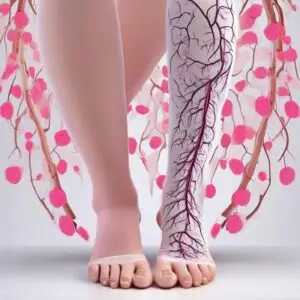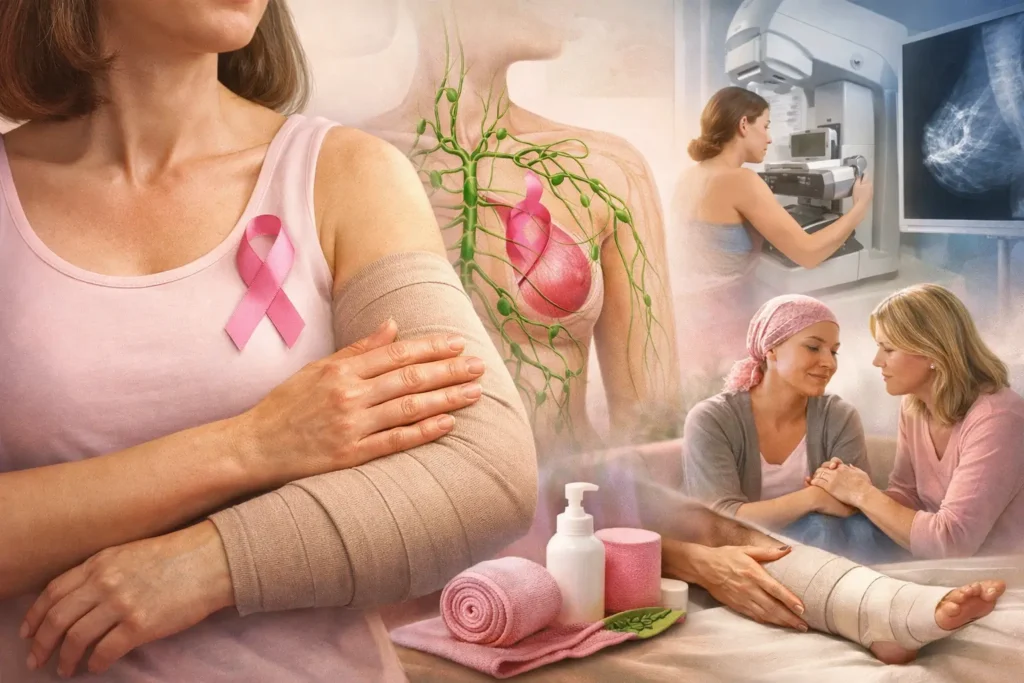
Lymphedema is a chronic condition often affecting women’s health, especially those who have undergone breast cancer treatment. This article delves into understanding lymphedema, its causes, symptoms, and the crucial role of supportive care in managing this condition effectively. We’ll explore the connection between breast cancer and lymphedema, providing comprehensive insights and practical advice.
Understanding Lymphedema
Understanding lymphedema is essential, particularly for women who have faced breast cancer. Lymphedema is a condition that results in swelling, typically in the arms or legs, due to a blockage in the lymphatic system. This blockage prevents lymph fluid from draining properly, leading to fluid buildup and discomfort.
What is Lymphedema?
Lymphedema is a chronic condition characterized by the accumulation of lymph fluid in the soft tissues, causing swelling. This most commonly occurs in the arms or legs, but can also affect other parts of the body. Lymphedema occurs when the lymphatic system is impaired, hindering its ability to drain lymph fluid effectively.
Causes of Lymphedema
The causes of lymphedema are varied, but it primarily stems from damage or blockage within the lymphatic system. Breast cancer treatment, including surgery and radiation therapy, can disrupt the lymph nodes and lymphatic vessels, leading to lymphedema. Other potential causes include infections, injuries, and congenital conditions affecting the lymphatic system.
Symptoms of Lymphedema
Recognizing the symptoms of lymphedema early is crucial for effective management. Common symptoms include swelling in the affected limb, a feeling of heaviness or tightness, and decreased range of motion. Patients may also experience skin changes, such as thickening or hardening, and recurrent infections. Early detection helps prevent the condition from worsening.
Breast Cancer and Lymphedema
The relationship between breast cancer and lymphedema is significant, making it a crucial concern for breast cancer patients. Breast cancer treatment often involves procedures that impact the lymphatic system, increasing the risk of developing lymphedema. Understanding this connection is key to implementing preventive measures and providing appropriate supportive care.
Breast Cancer-Related Lymphedema
Breast cancer-related lymphedema is a specific type of secondary lymphedema that occurs as a result of breast cancer treatment. Surgery to remove lymph nodes, radiation therapy, or both can damage the lymphatic system, leading to the accumulation of lymph fluid in the affected arm. This condition requires specialized management and supportive care to improve the patient’s quality of life.
Risk Factors for Developing Lymphedema After Treatment
Several risk factors contribute to developing lymphedema after breast cancer treatment. These factors include the extent of lymph node dissection, radiation therapy to the axilla, obesity, and infections. Identifying these risk factors allows healthcare professionals to implement targeted lymphedema prevention strategies and closely monitor high-risk individuals for early signs and symptoms.
Diagnosis of Lymphedema in Breast Cancer Patients
Accurate diagnosis of lymphedema in breast cancer patients is essential for timely intervention. Diagnosis typically involves a physical examination, assessment of patient history, and measurement of limb circumference. Advanced imaging techniques, such as lymphoscintigraphy, may be used to evaluate the lymphatic system’s function and confirm the presence of lymphedema. Early diagnosis leads to better outcomes with treatment for lymphedema.
Lymphedema Prevention Strategies
Preventive Measures for At-Risk Women
For women at risk of developing lymphedema after breast cancer treatment, implementing preventive measures is paramount. These measures include proper skin care to minimize the risk of infections, avoiding tight clothing or jewelry that could constrict lymphatic vessels, and maintaining a healthy weight. Additionally, performing regular arm exercises can help promote lymph fluid drainage and prevent lymphedema. Understanding how to prevent lymphedema is key for these women.
Importance of Early Detection
Early detection is crucial in managing lymphedema effectively. Recognizing the signs and symptoms of lymphedema, such as swelling, heaviness, or tightness in the affected limb, allows for prompt intervention. Regular self-exams and check-ups with healthcare professionals can aid in early detection. The sooner lymphedema is identified, the more effective treatment for lymphedema will be and the better the outcomes for breast cancer patients.
Healthy Lifestyle Choices
Adopting healthy lifestyle choices plays a significant role in lymphedema prevention and management. Maintaining a balanced diet, engaging in regular physical activity, and avoiding smoking can all contribute to a healthier lymphatic system. These lifestyle choices also help manage weight, reducing the risk of lymphedema after breast cancer. Promoting overall well-being supports the lymphatic system and reduces the risk of developing lymphedema.
Treatment Options for Lymphedema
Lymphedema Therapy Techniques
Various lymphedema therapy techniques are available to manage and alleviate the symptoms of lymphedema. These techniques include manual lymphatic drainage, which involves gentle massage to promote lymph fluid movement, compression therapy using bandages or garments to reduce swelling, and exercises to improve lymphatic drainage and range of motion. The goals of lymphedema therapy are to reduce swelling, improve function, and enhance quality of life for individuals with lymphedema. The lymphatic system can improve with treatment for lymphedema.
Innovative Treatments for Lymphedema
In addition to traditional therapies, innovative treatments for lymphedema are continually being developed and refined. These treatments may include advanced surgical procedures, such as lymphaticovenous anastomosis (LVA) or vascularized lymph node transfer (VLNT), to restore lymphatic function. Furthermore, emerging technologies like pneumatic compression devices and laser therapy show promise in reducing swelling and improving lymphatic drainage. Exploring these innovative approaches can offer new hope for individuals seeking relief from lymphedema. New research on the lymphatic vessels shows promise for breast cancer related lymphedema.
Managing Symptoms of Lymphedema
Effectively managing the symptoms of lymphedema is essential for improving the quality of life for affected individuals. This involves a combination of strategies, including proper skin care to prevent infections, meticulous wound care to address any skin breakdown, and diligent monitoring of the affected limb for changes in size or condition. Additionally, pain management techniques, such as medication and physical therapy, can help alleviate discomfort associated with lymphedema. Comprehensive management of symptoms can enhance comfort and function for those living with lymphedema. A crucial aspect of supportive care, managing the symptoms of lymphedema helps improve the overall well-being of breast cancer patients.
Supportive Care for Women with Lymphedema
Emotional and Psychological Support
The emotional and psychological impact of lymphedema on women, especially those with breast cancer-related lymphedema, cannot be overstated. Living with chronic swelling and the constant need for specialized skin care can lead to feelings of anxiety, depression, and body image issues. Supportive care should include access to counseling services and mental health professionals who understand the unique challenges faced by women developing lymphedema after breast cancer.
Resources and Support Groups
Access to resources and support groups is vital for women managing lymphedema. These groups offer a safe space to share experiences, learn coping strategies, and gain emotional support from others who understand what they are going through. Organizations dedicated to breast cancer and lymphedema often provide valuable information, educational materials, and practical advice on how to treat lymphedema and prevent lymphedema. The lymphatic system benefits from patients gaining access to resources and support.
Role of Healthcare Professionals in Supportive Care
Healthcare professionals play a crucial role in providing comprehensive supportive care for women with lymphedema. This includes not only medical treatment and lymphedema therapy, but also ongoing education, emotional support, and guidance on self-management techniques. Doctors, nurses, lymphedema therapists, and other specialists should work collaboratively to develop individualized care plans that address the physical, emotional, and social needs of each patient, helping them manage the symptoms of lymphedema and breast cancer–related lymphedema. With proper healthcare support, women can find ways to treat lymphedema and improve their quality of life.
Conclusion and FAQs
Recap of Key Points
Lymphedema is a significant concern for women’s health, particularly those undergoing breast cancer treatment. Understanding the causes, symptoms of lymphedema, and risk factors for developing lymphedema is essential for early detection and effective management. Preventive measures, such as proper skin care and healthy lifestyle choices, can reduce the risk of lymphedema after breast cancer. The treatment options for lymphedema include complete decongestive therapy, manual lymphatic drainage, and innovative surgical techniques. Supportive care, encompassing emotional support, resources, and the involvement of healthcare professionals, plays a vital role in improving the quality of life for women facing lymphedema. Understanding how to prevent lymphedema is critical in women’s health.
Final Advice for Women Facing Lymphedema
For women facing lymphedema, remember that you are not alone. Early detection and consistent management are key to living well with this condition. Embrace a proactive approach to your health, including regular self-exams, adherence to prescribed therapies, and seeking support from healthcare professionals and support groups. Focus on maintaining a healthy lifestyle, prioritizing skin care, and staying informed about the latest advances in treatment for lymphedema. With proper care and support, you can effectively manage lymphedema and live a fulfilling life despite your breast cancer treatment. The lymphatic vessel system can be maintained through diligent maintenance.
FAQs about Lymphedema and Women’s Health
Q1: What is the most effective treatment for lymphedema after breast cancer?
Complete decongestive therapy (CDT) is considered the gold standard treatment for lymphedema. It typically involves manual lymphatic drainage, compression therapy, exercise, and meticulous skin care to reduce swelling and improve lymphatic flow.
Q2: Can lymphedema be completely cured?
Currently, there is no known cure for lymphedema. However, with proper management and therapy, the symptoms of lymphedema can be effectively controlled, allowing individuals to maintain a good quality of life. Effective treatment for lymphedema is key.
Q3: How can I reduce my risk of developing lymphedema after breast cancer treatment?
To reduce your risk of developing lymphedema, follow preventive measures such as proper skin care, avoiding injuries to the affected limb, maintaining a healthy weight, and performing regular arm exercises to promote lymphatic drainage.
Q4: Are there any specific exercises that can help manage lymphedema?
Yes, specific exercises designed to promote lymphatic drainage can be beneficial. These exercises typically involve gentle movements and stretches that encourage lymph fluid to flow more effectively. Consult with a lymphedema therapist for a tailored exercise plan.
Q5: Where can I find reliable resources and support for women with lymphedema?
Numerous organizations and support groups offer valuable resources and support for women with lymphedema, including the National Lymphedema Network, the Lymphedema Advocacy Group, and various breast cancer support organizations. These groups provide educational materials, online forums, and local support networks.