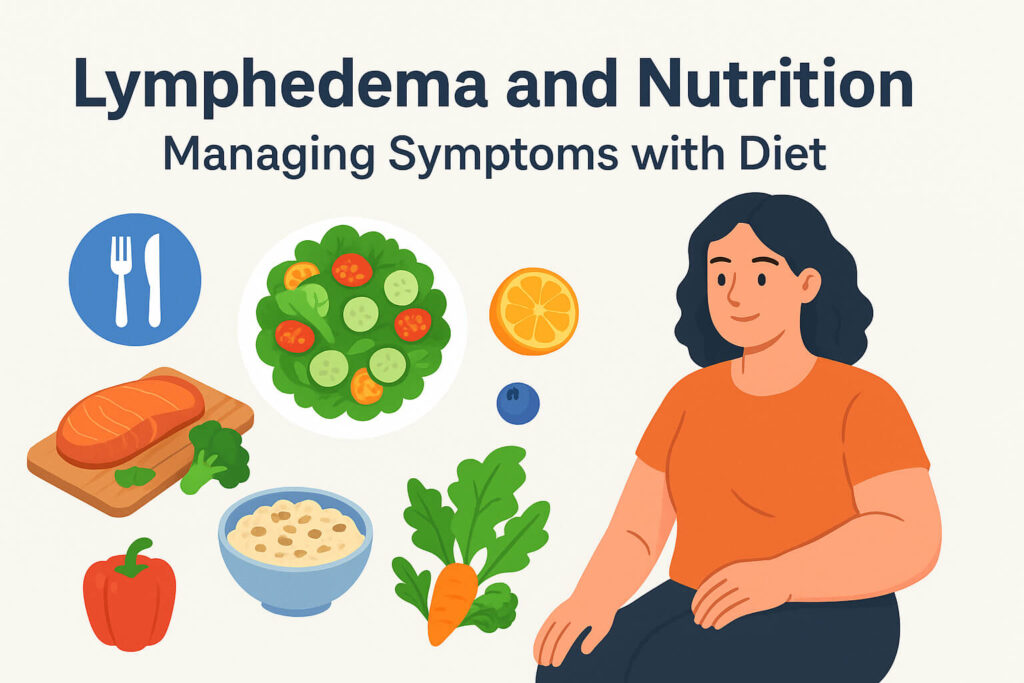
Lymphedema is a chronic condition that affects millions worldwide, causing swelling, discomfort, and reduced quality of life. While there is no cure, effective management of lymphedema is possible through a combination of therapies, including dietary adjustments. This article explores the crucial role of nutrition in alleviating symptoms and improving overall well-being for lymphedema patients.
Understanding Lymphedema
Understanding lymphedema is the first step in managing the condition effectively. Lymphedema is a condition characterized by the buildup of lymph fluid in the body, leading to swelling, most commonly in the arms or legs. This swelling occurs when the lymphatic system, responsible for draining lymph fluid, is either damaged or blocked; hence, lymphedema affects fluid balance.
What is Lymphedema?
Lymphedema is a condition that results from a compromised lymphatic system. The lymphatic system is crucial for maintaining fluid balance and immune function. When this system is impaired, lymph fluid accumulates in the tissues, leading to swelling. This swelling is often accompanied by pain, discomfort, and an increased risk of infection.
Primary vs. Secondary Lymphedema
Lymphedema can be categorized into primary and secondary lymphedema. Primary lymphedema is a genetic condition caused by congenital malformations of the lymphatic system. Secondary lymphedema, on the other hand, occurs as a result of damage to the lymphatic system, often due to surgery, radiation, infection, or trauma, and cancer-related lymphedema often falls into this category.
How Lymphedema Affects the Body
Lymphedema affects the body in multiple ways, extending beyond just physical swelling. The accumulation of lymph fluid can lead to chronic inflammation, which may impair tissue function and increase the risk of infections. The swelling can also limit mobility, causing discomfort and affecting the patient’s ability to perform daily activities. Furthermore, the condition can have psychological effects, leading to anxiety and depression.
Managing Lymphedema Symptoms
Effectively managing lymphedema symptoms involves a comprehensive approach that combines various therapeutic strategies. While there is currently no cure for lymphedema, the goal of management is to reduce swelling, alleviate discomfort, prevent infections, and improve the patient’s overall quality of life. This often includes lifestyle adjustments, and exploring nutrition.
Importance of Lymphedema Management
The importance of lymphedema management cannot be overstated; without proper care, the condition can worsen symptoms and significantly impact a patient’s well-being. Effective management can help reduce swelling, improve mobility, decrease the risk of infections, and enhance the overall quality of life for patients with lymphedema. Ultimately, proactive management empowers individuals to live more comfortably and actively.
Common Symptoms of Lymphedema
Recognizing the common symptoms is essential for early detection and intervention. These symptoms often include swelling in the affected limb, a feeling of heaviness or tightness, and skin changes such as thickening or fibrosis. Some individuals may also experience pain, discomfort, or recurrent infections. Early diagnosis and treatment are critical for improving lymphedema.
Strategies to Reduce Swelling
There are several strategies to reduce swelling associated with lymphedema. These include manual lymphatic drainage, a specialized massage technique to encourage lymph flow, compression therapy using bandages or garments to support the affected limb, and exercises designed to promote lymphatic circulation. A healthy diet can help, so nutrition is an important consideration.
The Role of Nutrition in Lymphedema Management
Lymphedema and Nutrition: An Overview
The role of nutrition is crucial in managing lymphedema. A well-balanced diet plays a vital role in supporting overall health and helping to reduce swelling. Dietary adjustments can positively affect lymphedema, making it an essential component of a comprehensive treatment plan for patients. This is especially true for managing symptoms.
Dietary Recommendations for Lymphedema Patients
Dietary recommendations for lymphedema patients often include a focus on whole foods and anti-inflammatory foods. Patients should prioritize a diet rich in fruits and vegetables, lean proteins, and healthy fats. Avoiding processed foods, sugary drinks, and excessive salt intake can also help manage symptoms and contribute to improving lymphedema.
Foods That Help Reduce Lymphedema
Certain foods have properties that can help reduce the symptoms. Foods high in antioxidants and anti-inflammatory compounds can assist in reducing inflammation and supporting lymphatic function. Including these foods as part of a diet and treatment can significantly improve the well-being of patients.
Anti-Inflammatory Foods and Their Benefits
What Are Anti-Inflammatory Foods?
Anti-inflammatory foods are those that contain compounds known to combat inflammation in the body. These foods are rich in antioxidants, vitamins, and minerals that help neutralize free radicals and reduce oxidative stress. Including anti-inflammatory foods in the diet can have a positive effect on overall health, especially for those managing lymphedema.
How They Help in Reducing Lymphedema Symptoms
Anti-inflammatory foods help reduce symptoms by targeting the chronic inflammation associated with the condition. By reducing inflammation, these foods can help alleviate swelling, pain, and discomfort experienced by patients. A diet rich in anti-inflammatory foods can be a valuable addition to treatment and improve quality of life.
Incorporating Anti-Inflammatory Foods into Your Diet
Incorporating anti-inflammatory foods into your diet is a practical step toward managing lymphedema symptoms. Focus on including a variety of fruits and vegetables, such as berries, leafy greens, and citrus fruits, which are packed with antioxidants. Fatty fish like salmon and mackerel, rich in omega-3 fatty acids, can also help reduce inflammation.
Practical Tips for Improving Lymphedema
Creating a Balanced Diet for Lymphedema
Creating a balanced diet involves focusing on whole, unprocessed foods that support lymphatic function and reduce inflammation. A healthy diet can help manage body weight, which is crucial for lymphedema patients, as excess weight can worsen symptoms. Prioritizing lean proteins, healthy fats, and plenty of fruits and vegetables is essential.
Hydration and Its Importance
Hydration is vital for managing lymphedema. Adequate water intake supports lymphatic function by helping to flush out toxins and maintain fluid balance. Dehydration can worsen symptoms, making it important for patients to drink plenty of water throughout the day, which can contribute to improving lymphedema. Therefore, hydration is essential to any diet.
Sample Meal Plans for Lymphedema Management
A sample meal plan might include a breakfast of oatmeal with berries and nuts, a lunch of grilled chicken salad with mixed greens, and a dinner of baked salmon with roasted vegetables. Healthy snacks like apple slices with almond butter or a handful of almonds can help maintain energy levels and provide essential nutrients. A good diet can help reduce swelling.
Future Insights and Current Trends
Research Advances in Lymphedema Treatment
Research advances in treatment are continually evolving, offering hope for more effective management. Scientists are exploring novel therapies, including advanced surgical techniques and drug interventions, to improve lymphatic function and reduce swelling. These advancements aim to enhance the overall quality of life for patients and manage symptoms.
Emerging Dietary Trends for Managing Lymphedema
Emerging dietary trends for managing lymphedema include a greater emphasis on personalized nutrition plans. These plans consider individual needs and preferences to optimize the impact of dietary interventions. There’s also growing interest in the role of the gut microbiome in inflammation and its potential effects on lymphedema.
Patient Stories: Success in Managing Lymphedema
Patient stories provide powerful examples of success in managing lymphedema through comprehensive strategies. Many patients have found relief through a combination of manual lymphatic drainage, compression therapy, exercise, and dietary adjustments. These stories highlight the importance of a holistic approach to treatment for patients.
Conclusion
Recap of Key Points
In recap, effective management involves understanding the condition, adopting a balanced healthy diet, and incorporating targeted strategies to reduce swelling. A diet that prioritizes anti-inflammatory foods, hydration, and weight management can significantly improve lymphedema. Consulting healthcare professionals and registered dietitians ensures a tailored approach to managing symptoms.
Final Advice for Lymphedema Patients
For patients, remember that managing lymphedema is a journey that requires patience, persistence, and a proactive approach. Embrace a healthy diet, stay active, and seek support from healthcare providers and support groups. By prioritizing your well-being and adhering to a comprehensive management plan, you can live a fulfilling life despite the challenges of lymphedema.
FAQs about Lymphedema and Nutrition
What dietary changes can help manage lymphedema?
Dietary changes that can help manage symptoms include adopting an anti-inflammatory diet rich in fruits and vegetables, lean proteins, and healthy fats. Reducing intake of processed foods, sugary drinks, and excessive salt can also help reduce swelling. Incorporating these changes into a daily diet can positively affect patients.
Are there specific foods to avoid with lymphedema?
With lymphedema, it’s beneficial to avoid processed foods high in sodium, sugary beverages, and excessive amounts of red meat. These foods can exacerbate inflammation and hinder lymphatic function, potentially worsening lymphedema. Opting for whole foods and a balanced diet is key to managing symptoms effectively and reduce swelling.
How does hydration affect lymphedema symptoms?
Hydration plays a crucial role in managing symptoms. Adequate water intake supports lymphatic function by helping to flush out toxins and maintain fluid balance. Dehydration can worsen symptoms, leading to increased swelling and discomfort. Prioritize drinking plenty of water throughout the day, so hydration is essential to any diet.
Can exercise help with lymphedema management?
Yes, exercise can be a beneficial component of management and affect lymphedema by improving lymphatic drainage and circulation. Low-impact activities like walking, swimming, and gentle stretching can help reduce swelling and improve mobility. Consult with a physical therapist or healthcare provider to develop a safe and effective exercise plan.
What is the role of supplements in managing lymphedema?
The role of supplements is to complement a balanced healthy diet and targeted therapies. Certain supplements, such as those containing antioxidants and anti-inflammatory compounds, may help reduce inflammation and support lymphatic function. However, it’s important to consult with a healthcare professional before starting any new supplement regimen.