Lymphedema is a chronic condition that causes swelling, typically in the arm or leg. It occurs when the lymphatic system is impaired, leading to a buildup of lymph fluid. This article will explore effective lifestyle changes, care strategies, and treatment options to help manage lymphedema and improve the quality of life for those affected.
Understanding Lymphedema
What is Lymphedema?
Lymphedema is a condition characterized by swelling, most often in the arm or leg. This swelling arises from a compromised lymphatic system, which normally drains lymph fluid. When the lymphatic vessels are damaged or blocked, lymph fluid accumulates in the affected area, leading to lymphedema.
Causes and Risk Factors
Lymphedema can arise from several causes, including primary lymphedema, which is a rare, inherited condition. Secondary lymphedema, however, is more common and often results from cancer treatment, surgery, or radiation, which can damage the lymph nodes or lymphatic vessels. Other risk factors may include obesity and infections.
Signs and Symptoms of Lymphedema
The most obvious symptom of lymphedema is swelling in the affected arm or leg. Other signs may include a feeling of heaviness or tightness, decreased range of motion, and recurring infections. Early-stage lymphedema might present with subtle changes, so it’s crucial to recognize these signs promptly.
Impact of Lymphedema on Daily Life
Physical Challenges and Limitations
Living with lymphedema brings about physical challenges and limitations. The swelling in the affected limb can hinder mobility and make everyday tasks difficult. People with lymphedema may struggle with activities that require fine motor skills or prolonged use of the affected arm or leg.
Emotional and Psychological Effects
The emotional and psychological effects of lymphedema can be significant. Dealing with a chronic condition like lymphedema often leads to feelings of frustration, anxiety, and depression. The visible swelling can also cause body image issues and affect self-esteem in people with lymphedema.
Social and Lifestyle Adjustments
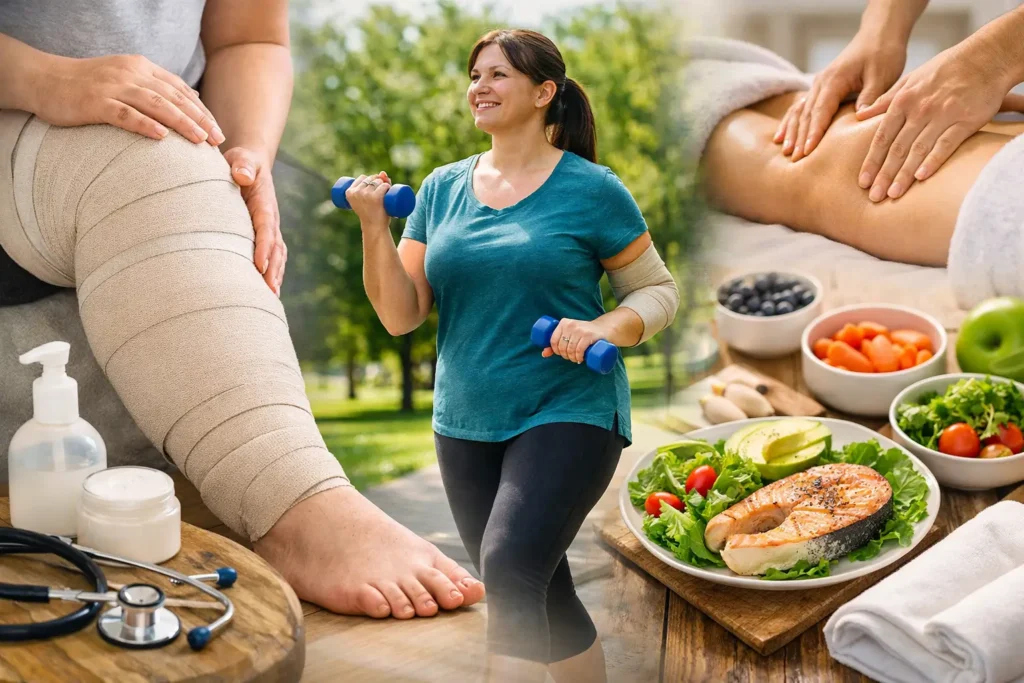
Adapting to living with lymphedema often requires significant social and lifestyle adjustments. People with lymphedema may need to modify their daily routines to manage their symptoms effectively. This may include wearing compression garments, attending physical therapy, and making dietary changes to reduce swelling from lymphedema.
Lifestyle Changes to Manage Lymphedema
Maintaining a Healthy Weight
Maintaining a healthy weight is crucial in managing lymphedema. Extra weight can put additional strain on the lymphatic system, potentially worsening lymphedema symptoms. Achieving and maintaining a healthy weight can help reduce swelling and improve overall lymphatic function. Consult with a healthcare provider or a registered dietitian to develop a personalized plan to help reduce the impact of lymphedema.
Dietary Recommendations for Lymphedema
Dietary changes can play a significant role in managing lymphedema. A balanced diet rich in fruits, vegetables, and lean proteins can support lymphatic health. Reducing sodium intake can help reduce swelling, as sodium can cause the body to retain water. Staying hydrated is also essential, as adequate fluid intake supports lymphatic drainage and overall circulation for people with lymphedema.
Exercise and Physical Activity
Regular exercise and physical activity are beneficial for people with lymphedema. Exercise helps improve lymphatic drainage and reduce swelling. Low-impact activities like swimming, walking, and cycling are particularly effective. Work with a physical therapist to develop a safe and effective exercise plan tailored to your specific needs, ensuring that you don’t worsen lymphedema in the affected arm or leg.
Care of Your Skin and Affected Limb
Importance of Skin Care
Proper skin care is vital for people with lymphedema because the affected limb is more susceptible to infections. Keeping the skin clean and moisturized helps prevent cracks and breaks that can allow bacteria to enter. Daily inspection of the skin for any signs of injury or infection is also essential. Protecting your skin is key to preventing complications.
Protecting the Affected Limb
Protecting the affected limb from injury is crucial in managing lymphedema. This may include wearing compression garments during activities that could cause trauma. Avoid tight jewelry or clothing that could restrict lymph flow. Use caution when gardening or doing household chores to prevent cuts, burns, or other injuries that could lead to infection and develop lymphedema.
Signs of Infection and When to Seek Help
Be vigilant for any signs of infection in the affected limb. These signs of infection may include increased swelling, redness, warmth, pain, fever, or chills. If you notice any of these symptoms, seek medical help promptly. Early treatment of infections can prevent them from worsening and causing serious complications for people with lymphedema in the affected area.
Lymphedema Treatment Options
Decongestive Therapy Techniques
Decongestive therapy, also known as complex decongestive physiotherapy (CDP), is a cornerstone of lymphedema treatment. This comprehensive approach typically includes manual lymphatic drainage, compression therapy, exercise, and meticulous skin care. The goal of decongestive therapy is to reduce swelling, improve lymphatic drainage, and maintain the improvements achieved over time by a physical therapist.
Compression Garments: Benefits and Usage
Compression garments, such as sleeves and stockings, are essential for managing lymphedema. These garments provide support to the affected limb, helping to reduce swelling and improve lymphatic drainage. They come in various sizes and compression levels, so it’s important to be properly fitted by a healthcare professional. Wearing compression garments regularly can significantly improve the symptoms of lymphedema.
Medications and Surgical Options
While there is no cure for lymphedema, certain medications can help manage related symptoms. Antibiotics may be prescribed to treat infections, and diuretics might be used to help reduce swelling, though their use is generally limited due to potential side effects. In some cases, surgical options, such as lymph node transfer or lymphaticovenous anastomosis, may be considered to improve lymphatic drainage in the affected arm or leg. [Insert Internal Link]
Specific Considerations for Breast Cancer Survivors
Lymphedema Risk Post-Surgery
Breast cancer survivors face a unique risk of lymphedema, particularly after surgery involving lymph node removal. The lymphatic system can be disrupted during these procedures, increasing the risk of lymphedema in the affected arm. Understanding this risk is crucial for early detection and management. The effects of breast cancer treatment can damage lymphatic vessels, leading to a buildup of lymph fluid and swelling in the arm or leg.
Managing Lymphedema During Treatment
Managing lymphedema during cancer treatment involves a multifaceted approach. Compression garments, like a sleeve, and gentle exercises prescribed by a physical therapist can help reduce swelling. Skin care is vital to prevent infections, which can worsen lymphedema. Massage and lymph drainage techniques can also promote lymphatic circulation and reduce swelling from lymphedema. Early intervention is key to mitigating the long-term impact on the affected arm.
Support Resources for Survivors
Support resources are available to help breast cancer survivors manage lymphedema. Support groups provide a sense of community and shared experience. Lymphedema therapists offer specialized treatment and guidance. Online resources and educational materials can also provide valuable information and self-management tips. Access to these resources can significantly improve the quality of life for people with lymphedema. [Insert Internal Link]
Conclusion
Recap of Key Points
In summary, lymphedema is a chronic condition characterized by swelling due to impaired lymphatic drainage in the affected arm or leg. Lifestyle changes, such as maintaining a healthy weight and following a balanced diet, are essential for managing lymphedema. Proper skin care, compression garments, and regular exercise can also help reduce swelling and improve lymphatic function. Early detection and comprehensive lymphedema treatment are vital for preventing complications and maintaining a good quality of life.
Final Motivation and Advice
Living with lymphedema requires proactive management and a positive mindset. By adopting healthy lifestyle changes and seeking appropriate treatment, you can effectively manage your symptoms and prevent complications. Stay informed, stay active, and advocate for your health. Remember, you are not alone, and with the right care and support, you can live a full and active life despite living with lymphedema in the affected area.
FAQs about Lymphedema
What are the main causes of lymphedema?
The main causes of lymphedema include primary lymphedema, which is a congenital condition, and secondary lymphedema, which is often caused by cancer treatment, surgery, or radiation therapy that damages the lymphatic vessels or lymph nodes. Infections and injuries can also lead to secondary lymphedema in the affected arm or leg. The buildup of lymph fluid leads to swelling.
How can I reduce swelling in my affected limb?
To help reduce swelling in your affected limb, several strategies can be effective. These include:
- Using compression garments like a sleeve or bandage as prescribed by your doctor or physical therapist.
- Engaging in regular exercise, particularly lymphatic drainage exercises.
- Elevating the limb whenever possible.
Maintaining meticulous skin care to prevent infections and massage can also help reduce swelling from lymphedema.
What lifestyle changes are most effective for managing lymphedema?
Effective lifestyle changes can significantly help in managing lymphedema. Some key changes include:
- Maintaining a healthy weight to avoid putting extra pressure on the lymphatic system.
- Following a low-sodium diet to help reduce swelling.
- Engaging in regular, gentle exercise to promote lymph drainage.
- Practicing thorough skin care to prevent infections.
These changes can help reduce swelling and improve your quality of life.
When should I seek medical attention for lymphedema?
Seek medical attention for lymphedema if you notice a sudden increase in swelling, develop new pain or discomfort in the affected limb, experience signs of infection such as redness, warmth, or fever, or if you have any concerns about your lymphedema management plan. Early intervention can prevent complications and improve outcomes for people with lymphedema. Protect your skin.
Can lymphedema be cured?
While there is currently no known cure for lymphedema, it can be effectively managed with various treatments and lifestyle adjustments. Management options typically include:
- Compression therapy
- Manual lymph drainage
- Exercise
- Meticulous skin care
With proper management, people with lymphedema can lead active and fulfilling lives despite living with lymphedema in the affected area.