
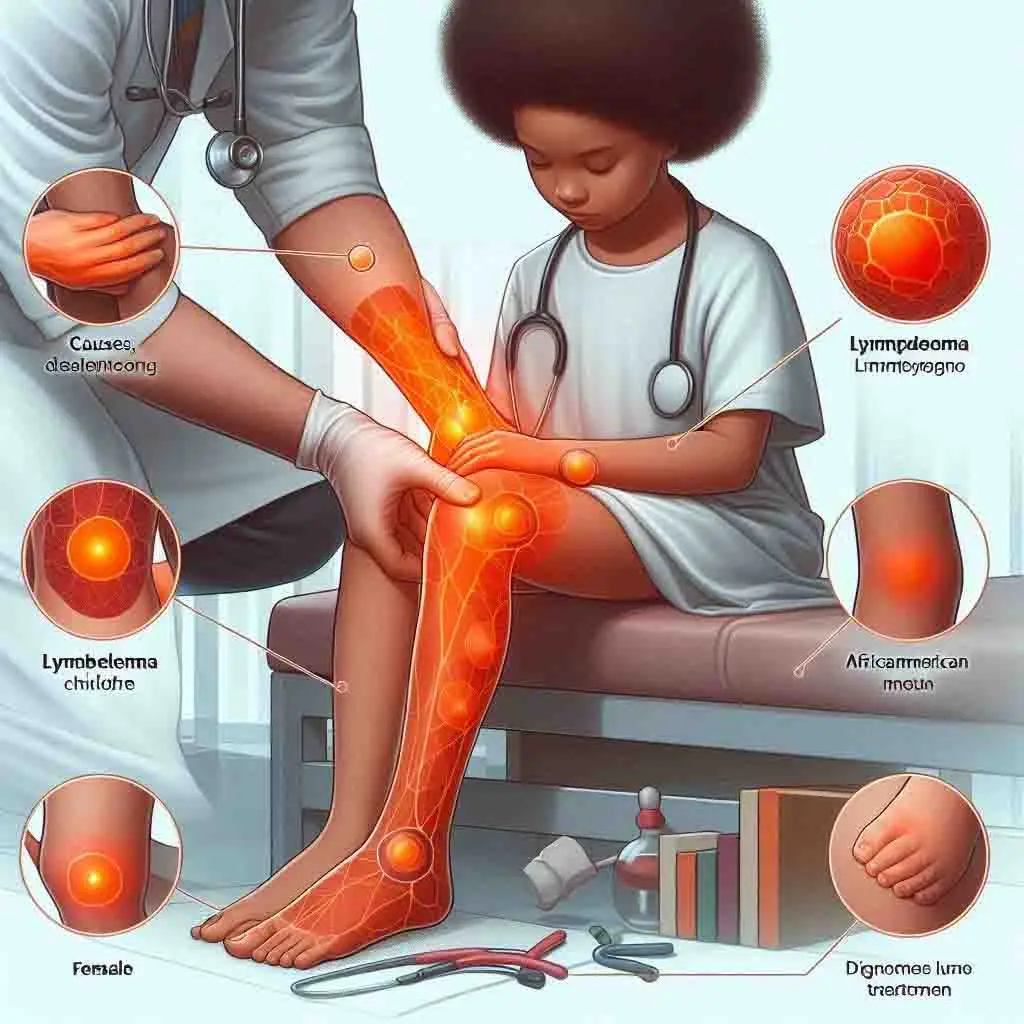
Short answer: Lymphedema in children is uncommon and should be assessed carefully. It may be primary, related to lymphatic development, or secondary to another condition. Management focuses on diagnosis, skin protection, compression when appropriate, movement and family support.
Clinically reviewed by Dr Jeremy Sun Mingfa, Plastic, Reconstructive & Lymphedema Surgeon in Singapore. Last reviewed: August 2026. This article is for education only and does not replace personalised medical assessment.
Possible causes
Primary lymphedema can occur because lymphatic vessels or nodes did not develop normally. Secondary causes include infection, trauma, surgery, vascular malformations or other medical conditions. A child with persistent swelling should be evaluated rather than labelled as simply “growing pains”.
Diagnosis
Doctors may assess birth history, family history, infection episodes, limb measurements, skin changes and whether swelling is pitting. Imaging or referral to a lymphatic specialist may be recommended when the diagnosis is uncertain.
Treatment principles
- Use child-appropriate compression only when prescribed and fitted.
- Protect skin from cuts, fungal infection and insect bites.
- Encourage normal play and safe exercise.
- Support school participation and footwear/clothing needs.
- Teach routines gradually so the child is not blamed for the condition.
Family and school support
Children need practical adjustments and reassurance. Parents, teachers and coaches should understand that lymphedema is a medical condition, not laziness or poor fitness.
Frequently asked questions
Can children get lymphedema?
Yes, though it is less common than adult secondary lymphedema.
Will a child outgrow lymphedema?
Some swelling changes with growth, but persistent lymphedema usually needs long-term monitoring.
Is surgery always needed?
No. Most children start with conservative care; surgical assessment is individualised.
Related surgical guide: If swelling remains persistent despite appropriate conservative care, or if recurrent cellulitis is a major issue, read LVA surgery in Singapore: lymphovenous bypass for lymphedema.