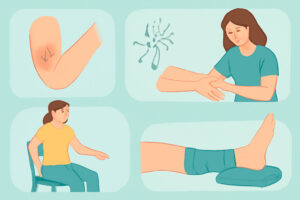
Welcome to an in-depth exploration of lymphedema, a condition characterised by swelling due to lymphatic system dysfunction. This comprehensive guide aims to provide a clear understanding of what lymphedema is, its causes, and effective management strategies, especially in the context of cancer treatment and fractures. Whether you’re a patient, caregiver, or healthcare professional, this article offers valuable insights into recognising, treating, and managing lymphedema to improve quality of life.
Understanding Lymphedema
What is Lymphedema?
Lymphedema is swelling that generally occurs in the arm or leg because the lymphatic system doesn’t properly drain lymph fluid. The lymphatic system, a crucial part of the immune system, is responsible for transporting lymph fluid, which contains white blood cells, throughout the body. When this system is impaired, lymphatic fluid accumulates, leading to swelling in the affected area. Lymphedema is swelling which, if left untreated, can lead to significant discomfort and mobility issues. [Insert Internal Link]
Causes of Lymphedema
Lymphedema can be classified into two main types: primary lymphedema and secondary lymphedema. Primary lymphedema is a rare, inherited condition caused by malformations in the lymphatic system. Secondary lymphedema, on the other hand, is more common and develops as a result of damage to the lymphatic vessels or lymph nodes. This damage can stem from cancer treatment, including cancer surgeries, radiation therapy, infections, or trauma. In the context of breast cancer, the removal or irradiation of lymph nodes can disrupt lymphatic drainage and cause lymphedema.
Symptoms of Lymphedema
Recognising the signs of lymphedema early is crucial for effective management. Common lymphedema symptoms include persistent swelling in an arm or leg, a feeling of heaviness or tightness, decreased range of motion, and recurring infections. The affected area may also exhibit skin changes, such as thickening or hardening. Early detection of lymphedema symptoms enables timely intervention and can help prevent the condition from progressing to more severe stages, improving the overall prognosis and quality of life for patients with lymphedema.
The Impact of Cancer Treatment on Lymphedema
Cancer Treatment and Risk for Lymphedema
Cancer treatment is a significant risk factor for lymphedema. Cancer surgeries that involve the removal of lymph nodes, such as those performed in breast cancer or melanoma treatment, can disrupt the lymphatic pathways. Radiation therapy can also damage lymphatic vessels, leading to impaired lymphatic flow. The risk of lymphedema increases with the extent of surgery and the dosage of radiation, making it essential for cancer care teams to carefully consider the potential long-term effects on the lymphatic system to minimise the risk for lymphedema.
Breast Cancer and Lymphedema
Breast cancer patients face a particularly elevated risk for lymphedema. Breast cancer surgery often involves the removal of axillary lymph nodes to check for cancer spread. This procedure, while vital for staging and treatment, can disrupt lymphatic drainage in the affected arm or leg, leading to lymphedema after breast cancer. Radiation therapy, commonly used in conjunction with surgery, can further exacerbate the risk. Understanding this link is crucial for proactive monitoring and early intervention to treat lymphedema and reduce swelling in breast cancer patients.
Fractures and Lymphedema Risk
While less commonly discussed, fractures and lymphedema after trauma can also increase the risk of lymphedema. A fracture can cause damage to lymphatic vessels in the affected area, leading to impaired lymphatic drainage and subsequent swelling. The body’s inflammatory response to the injury can further contribute to lymphatic dysfunction. Proper management of fractures, including physical therapy and compression, is essential to minimise the risk of developing lymphedema in the affected arm or leg. Careful monitoring and early intervention can help prevent long-term lymphatic issues.
The Lymphatic System and Its Role
Understanding the Lymphatic System
The lymphatic system is a crucial network of tissues and organs that plays a vital role in maintaining fluid balance and immune function. This intricate system is composed of lymphatic vessels, lymph nodes, and lymphoid organs, working together to transport lymph fluid throughout the body. Understanding how the lymphatic system functions is essential in comprehending the causes and mechanisms behind lymphedema. Proper lymphatic flow ensures that the tissues remain healthy and free from excess fluid buildup.
How Blood Vessel Issues Contribute to Lymphedema
Problems with blood vessels can significantly impact lymphatic drainage and contribute to the risk of lymphedema. When blood vessels are compromised, they can leak fluid into the surrounding tissues, increasing the burden on the lymphatic system. This can overwhelm the lymphatic vessels, leading to lymphatic fluid accumulation and subsequent swelling. Conditions such as venous insufficiency or deep vein thrombosis can exacerbate this issue, further impairing lymphatic flow and increasing the likelihood that patients develop lymphedema. [Insert Internal Link]
The Importance of Lymphatic Drainage
Effective lymphatic drainage is essential for overall health and preventing conditions like lymphedema. Lymphatic drainage helps remove waste products, toxins, and excess fluid from the tissues, maintaining a healthy fluid balance. Impaired lymphatic drainage can cause swelling, inflammation, and an increased risk of infection in the affected area. Understanding the importance of lymphatic drainage is crucial for implementing strategies to maintain and improve lymphatic function, particularly for those at risk for lymphedema, such as breast cancer patients.
Managing Lymphedema Effectively
Treatment for Lymphedema
Effective treatment for lymphedema typically involves a combination of therapies aimed at reducing swelling, improving lymphatic drainage, and preventing complications. Comprehensive lymphedema treatment often includes manual lymphatic drainage, compression therapy, exercise, and meticulous skin care. In some cases, treatment may also involve surgical interventions, such as lymph node transfer or lymphaticovenous anastomosis. The goal of lymphedema treatment is to manage symptoms, improve quality of life, and prevent the condition from progressing to more severe stages.
Manual Lymph Drainage Techniques
Manual lymph drainage (MLD) is a specialised massage technique used to improve lymphatic drainage and reduce swelling. MLD involves gentle, rhythmic movements that stimulate the lymphatic vessels, encouraging the flow of lymphatic fluid away from the affected area. This technique can be performed by trained therapists or taught to patients for self-management. Regular manual lymphatic drainage can significantly reduce swelling, alleviate discomfort, and improve the overall function of the lymphatic system for patients with lymphedema. Manual lymph drainage is a cornerstone of lymphedema management.
Lymphedema Surgery Options
For patients with severe lymphedema, surgical options may be considered when conservative treatments are insufficient to reduce swelling. Lymph node transfer involves transplanting healthy lymph nodes from another part of the body to the affected area to improve lymphatic drainage. Another option is lymphaticovenous anastomosis, which connects lymphatic vessels directly to blood vessels to bypass blockages and facilitate lymphatic fluid flow. These surgery options aim to restore lymphatic function and reduce chronic swelling, improving the quality of life for patients with lymphedema.
Prevention and Treatment Strategies
Practical Tips for Managing Lymphedema
Effectively managing lymphedema involves several practical strategies to reduce swelling and improve lymphatic drainage. Compression garments are a cornerstone of treatment, providing external support to the affected arm or leg and encouraging lymphatic fluid flow. Regular physical therapy exercises can also help stimulate lymphatic drainage and improve the range of motion. Meticulous skin care is essential to prevent infections in the affected area, as compromised lymphatic function can increase the risk of infection. These combined approaches are vital for effectively managing lymphedema and improving quality of life.
Patients with lymphedema should also focus on maintaining a healthy lifestyle to support their lymphatic system. This includes a balanced diet, regular exercise, and avoiding restrictive clothing that can impede lymphatic drainage. Monitoring weight and addressing any underlying medical conditions that may contribute to swelling is also important. By adopting these practical tips, individuals can actively manage their lymphedema and minimise the impact on their daily lives. Proper management helps reduce swelling and ensures better lymphatic flow.
In addition to compression and exercise, incorporating self-manual lymphatic drainage techniques into a daily routine can be highly beneficial. These techniques, when performed correctly, assist in moving lymphatic fluid from the swollen affected area towards functioning lymphatic pathways. Consistent application of these methods, along with adherence to medical advice, forms a solid foundation for managing lymphedema symptoms and improving overall lymphatic health.
Current Trends in Lymphedema Care
Current trends in lymphedema care are focusing on early detection and personalised treatment approaches to reduce swelling and improve outcomes. Advances in diagnostic imaging techniques, such as lymphoscintigraphy and indocyanine green (ICG) lymphography, allow for earlier and more accurate assessment of lymphatic function. This early detection enables timely intervention and can help prevent the condition from progressing to more severe stages. Personalised treatment plans, tailored to the individual patient’s needs and the severity of their lymphedema, are becoming increasingly common.
Another significant trend is the integration of advanced surgical techniques, such as lymph node transfer and lymphaticovenous anastomosis, into lymphedema treatment protocols. These procedures aim to restore lymphatic drainage and reduce chronic swelling when conservative treatments are insufficient. Additionally, there is growing emphasis on patient education and self-management strategies to empower individuals to take an active role in their care. Telehealth and remote monitoring technologies are also being used to improve access to specialised lymphedema care, particularly for patients in rural areas.
Furthermore, research into novel therapeutic interventions, including pharmacological agents that can stimulate lymphatic vessel growth and function, is gaining momentum. These cutting-edge approaches hold promise for further enhancing treatment and improving lymphatic drainage outcomes in the future. The continuous innovation and adaptation of treatment methods are helping to improve the quality of life for patients with lymphedema, particularly those undergoing cancer treatment or recovering from fractures.
Future Insights into Lymphedema Prevention
Future insights into lymphedema prevention are focusing on identifying risk factors and implementing strategies to minimise the risk of lymphedema development, particularly in individuals undergoing cancer treatment or experiencing trauma. Research is underway to better understand the genetic and molecular mechanisms that contribute to lymphatic dysfunction. This knowledge could lead to the development of targeted therapies to protect the lymphatic system and prevent lymphedema after breast cancer or other cancer surgeries.
Another promising area of research is the development of prophylactic interventions, such as lymphatic microsurgery, performed at the time of cancer surgery to preserve lymphatic drainage. These procedures aim to bypass or reconstruct damaged lymphatic vessels to prevent the buildup of lymphatic fluid and subsequent swelling. Additionally, advances in imaging technologies may allow for real-time monitoring of lymphatic function during surgery, enabling surgeons to minimise damage to lymphatic vessels and lymph nodes. Cancer care teams are striving to reduce the risk of lymphedema.
Future strategies will also emphasise personalised risk assessment and tailored prevention plans based on individual patient characteristics and treatment protocols. This includes optimising surgical techniques, minimising radiation exposure, and implementing early rehabilitation programs to promote lymphatic drainage and prevent lymphedema from developing. By focusing on prevention, healthcare providers aim to significantly reduce the incidence of lymphedema and improve the long-term quality of life for individuals at risk. Preventing lymphedema is key to ensuring better health and lymphatic system function.
Recap of Key Points
Lymphedema is swelling caused by lymphatic system dysfunction and can significantly impact quality of life. Secondary lymphedema is common after cancer treatment, especially breast cancer, where removal or irradiation of lymph nodes can disrupt lymphatic drainage. Fractures and lymphedema after trauma can also damage lymphatic vessels and cause swelling. Effective management includes manual lymphatic drainage, compression therapy with compression garments, physical therapy, and meticulous skin care. Early detection and personalised treatment plans are crucial to managing symptoms and improving lymphatic flow.
Understanding the lymphatic system and its role in maintaining fluid balance is essential for preventing and managing lymphedema. Blood vessel issues can exacerbate lymphatic dysfunction, increasing the risk for lymphedema. Current trends in care focus on early detection, advanced surgical techniques like lymph node transfer, and patient education. Future insights aim to identify risk factors and develop prophylactic interventions to minimise the risk of lymphedema. Treatment requires a comprehensive approach.
The lymphatic system doesn’t function properly when cancer treatment or fractures disrupt lymphatic flow. This dysfunction leads to the accumulation of lymphatic fluid, resulting in swelling in the affected arm or leg. Recognising the signs of lymphedema early is crucial for effective management and preventing the progression of the condition. By implementing preventive strategies and seeking timely treatment, individuals can minimise the impact on their daily lives and improve their overall well-being. Effective management of swelling is possible with proper care.
Final Advice on Lymphedema Management
Managing lymphedema effectively requires a proactive and consistent approach. Regular self-care practices, such as manual lymph drainage and wearing compression garments, are essential for maintaining lymphatic drainage and reducing swelling. It is crucial to work closely with a therapist to develop a personalised treatment plan that addresses your specific needs and concerns. Maintaining a healthy lifestyle, including regular exercise and a balanced diet, can also support lymphatic function and improve overall well-being.
Stay informed about the latest advances in care and treatment options. Participate in support groups or online communities to connect with other individuals who are also managing lymphedema. Sharing experiences and learning from others can provide valuable insights and emotional support. Remember that lymphedema is a chronic condition that requires ongoing management, but with the right strategies and support, you can effectively control symptoms and maintain a high quality of life. Managing lymphedema effectively is key.
Additionally, always be vigilant about protecting the affected arm or leg from injury and infection. Avoid tight clothing or jewellery that can restrict lymphatic flow. Promptly address any signs of infection, such as redness, warmth, or increased swelling, by seeking medical attention. By adopting these preventative measures and actively managing your lymphedema, you can minimise the risk of complications and live a fulfilling life. The goal is to treat lymphedema and improve lymphatic function.
Frequently Asked Questions
Q1: What are the early signs of lymphedema I should watch out for?
A1: Early signs of lymphedema include persistent swelling in an arm or leg, a feeling of heaviness or tightness, decreased range of motion, and recurring infections. If you notice any of these symptoms, consult with your healthcare provider for prompt evaluation.
Q2: Can lymphedema be completely cured?
A2: While there is currently no cure for lymphedema, it can be effectively managed with a combination of therapies, such as manual lymphatic drainage, compression therapy, and exercise. Early intervention and consistent management can help control symptoms and improve quality of life.
Q3: How can I reduce my risk of developing lymphedema after cancer treatment?
A3: To reduce your risk of lymphedema after cancer treatment, follow your healthcare provider’s recommendations for post-operative care and rehabilitation. This may include wearing compression garments, performing lymphatic drainage exercises, and avoiding activities that can strain the affected arm or leg.
Q4: Is air travel safe for individuals with lymphedema?
A4: Air travel is generally safe for individuals with lymphedema, but it is important to take precautions to minimise swelling. Wear compression garments during the flight, stay hydrated, and perform gentle exercises to promote lymphatic drainage. Consult with your healthcare provider for personalised recommendations before travelling.
Q5: Are there any alternative therapies that can help manage lymphedema?
A5: Some alternative therapies, such as acupuncture and herbal remedies, may help manage symptoms. However, it is important to discuss these options with your healthcare provider and ensure they are used in conjunction with conventional treatments. Always prioritise evidence-based therapies for optimal outcomes.