
Clinically reviewed by Dr Jeremy Sun Mingfa, Plastic, Reconstructive & Lymphedema Surgeon in Singapore. Last reviewed: August 2026.
Some patients with leg swelling have more than one problem at the same time: lymphedema, venous reflux, previous deep vein thrombosis, varicose veins, skin changes, or chronic swelling related to venous disease. A common question is whether lymphovenous bypass / LVA surgery is still possible when the veins are not completely normal.
The short answer is: LVA may still be possible in selected patients with vein disease, but it requires careful assessment, suitable vein selection and a sensible postoperative compression plan.
Key message
Vein disease does not automatically rule out LVA. What matters is whether the surgeon can identify lymphatic channels that still carry fluid and nearby veins that are suitable for bypass, with pressure and flow conditions that favour lymph moving into the venous system.
Why vein disease matters in LVA
LVA connects a tiny lymphatic channel to a nearby small vein. The goal is to create a pathway for lymphatic fluid to drain into the venous circulation. If the selected vein has high pressure, reflux, thrombosis, scarring or poor outflow, the bypass may be less effective or less durable.
This is why LVA planning is not just about finding a lymphatic vessel. The venous side also matters. In patients with venous disease, the surgeon needs to be especially deliberate about choosing the receiving vein and understanding the limb’s pressure-flow environment.
Good vein selection is central
In carefully selected cases, LVA can still be considered if suitable veins are found. Important factors include:
- small superficial veins close to functional lymphatic channels
- venous outflow that is not severely obstructed
- absence of obvious local venous reflux at the planned bypass site
- healthy surrounding tissue and skin
- lymphatic channels that still show usable flow on imaging
- a postoperative plan that includes compression when appropriate
In some patients, venous disease should be evaluated and treated first. In others, lymphedema-directed surgery may still be reasonable after imaging and selection.
The role of ICG lymphography and ultrasound
ICG lymphography helps map superficial lymphatic flow patterns, while ultrasound can help identify lymphatic channels and nearby veins. Together, they help the surgeon plan where an LVA may be technically possible and biologically sensible.
For patients with vein disease, assessment may also include evaluation for venous reflux, previous thrombosis, varicose veins, chronic venous skin changes or obstruction. The exact work-up depends on the patient’s history and examination.
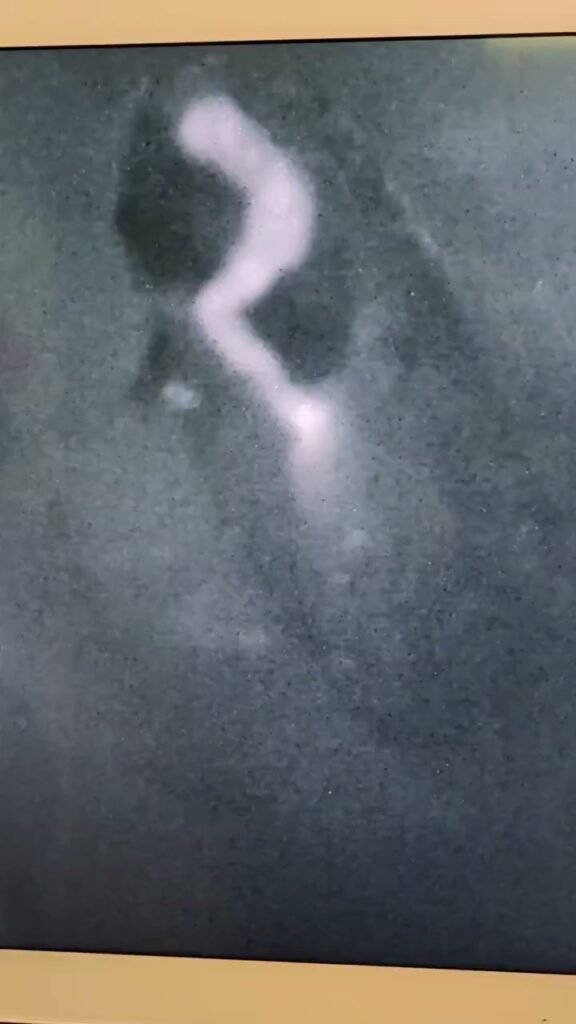
Video: compression demonstrating flow after LVA
This educational ICG video shows gentle compression after LVA, with visible lymphatic fluid movement toward the venous side. It illustrates why postoperative compression can be important when the aim is to encourage flow through a new lymphatic-to-vein connection.
Why compression can be especially important
Compression is not just a garment afterthought. In lymphedema care, compression helps support fluid movement, reduce swelling tendency and maintain soft tissue conditions. After LVA, appropriate compression may help encourage lymphatic fluid to move through the bypass, but timing, pressure and method must be individualised.
In patients with vein disease, compression planning is even more important because both lymphatic and venous flow may influence swelling. The surgeon and therapist should consider whether compression is being used to support lymphatic drainage, venous return, skin protection, or all three.
When LVA may be less suitable
LVA may be less suitable when there is severe venous obstruction, uncontrolled venous hypertension, extensive scarring, advanced fibrofatty lymphedema, active infection, or no usable lymphatic channels on imaging. These situations do not mean there are no options, but they may shift the treatment plan toward compression optimisation, venous treatment, lymph node transfer, reductive surgery or staged care.
Questions to ask before LVA if you have vein disease
- Do I have lymphedema, venous disease, or both?
- Will I need venous duplex ultrasound or other vein assessment before surgery?
- Are there suitable veins near functional lymphatic channels?
- How will ICG lymphography or ultrasound guide the LVA sites?
- What compression plan will I need immediately after surgery?
- How will compression be adjusted if I also have venous reflux, varicose veins or skin changes?
- What outcome is realistic for my stage of swelling?
Bottom line
Vein disease makes LVA planning more nuanced, but it does not automatically make LVA impossible. The key is careful patient selection, imaging-guided choice of lymphatics and veins, and a postoperative compression strategy that supports flow while protecting the bypass.
If you have leg swelling with suspected lymphedema and vein disease, ask for an assessment that considers both systems rather than treating the swelling as a single-cause problem.
Related LymphedAsia resources
- LVA Surgery in Singapore
- ICG Lymphography for Lymphedema
- Lymphedema vs Edema
- Lymphedema Treatment Options
This article is for education only and does not replace individual medical assessment. LVA suitability and compression protocols should be personalised after clinical examination and imaging.