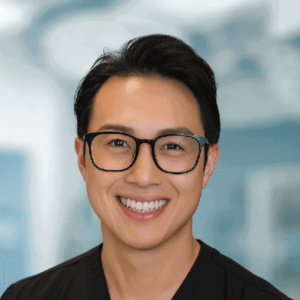
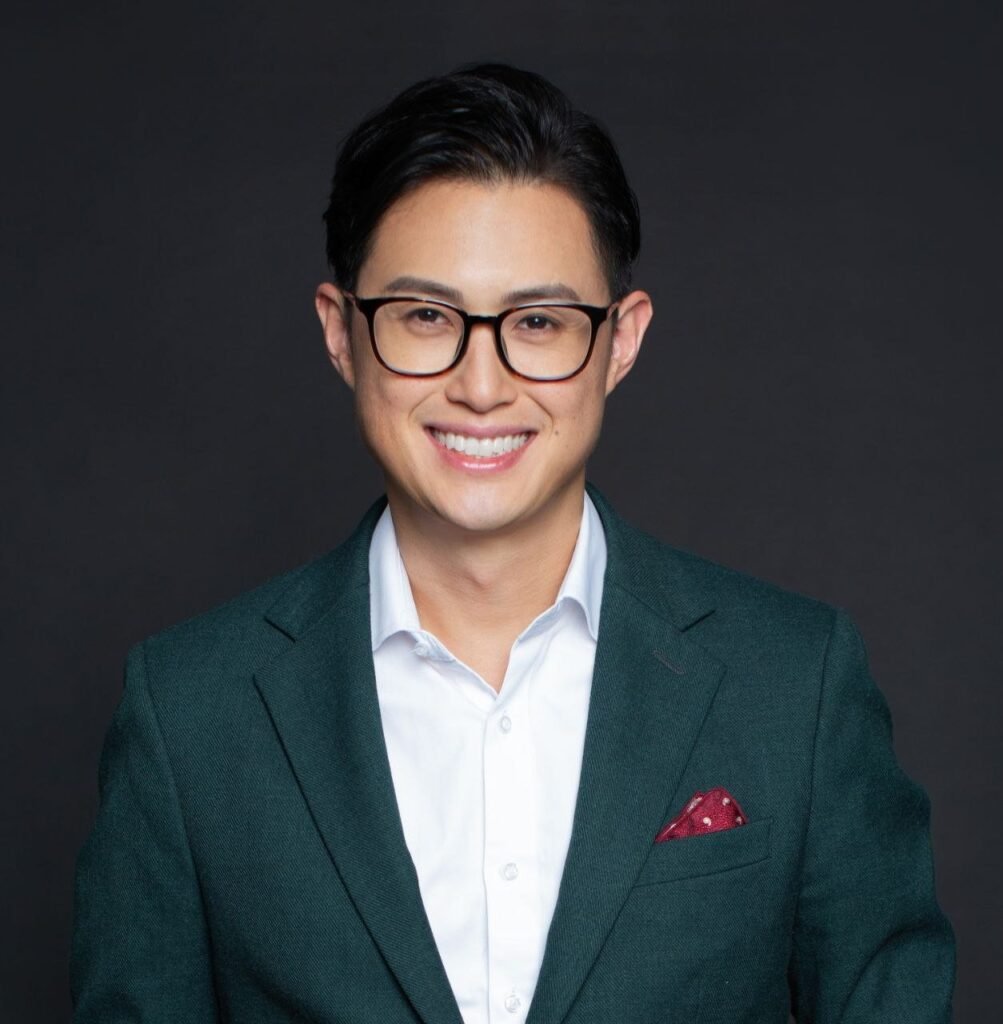
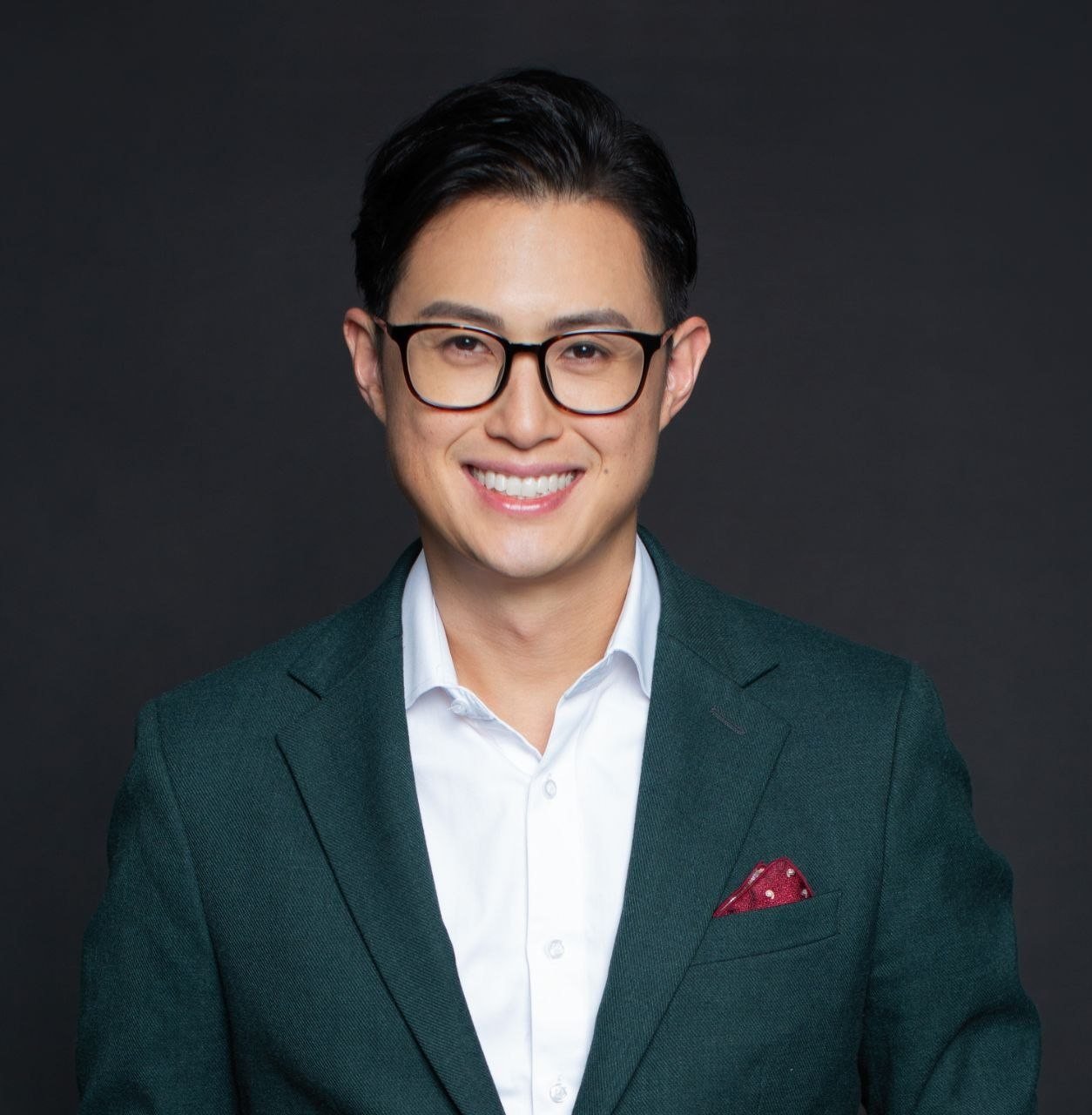
Clinically reviewed by Dr Jeremy Sun Mingfa, Senior Consultant Plastic and Reconstructive Surgeon in Singapore, with subspecialty expertise in lymphedema surgery and supermicrosurgical lymphatic reconstruction. Last reviewed: August 2026.
Choosing a lymphedema surgeon is different from choosing a general surgeon for a single procedure. Lymphedema treatment requires diagnosis, imaging, compression planning, infection prevention and careful selection between conservative therapy, lymphovenous anastomosis (LVA), vascularised lymph node transfer, reductive surgery and staged combinations.
Start with diagnosis, not the operation
Before asking whether LVA or lymph node transfer is suitable, patients should first understand the likely cause of swelling and the tissue pattern. Lymphedema may be primary or secondary, may occur after cancer treatment or lymph node surgery, and may overlap with venous disease, obesity-related swelling or other causes. A careful assessment helps avoid choosing a procedure before the problem is fully defined.
Ask about dedicated lymphatic-surgery training
Lymphedema surgery is highly specialised. Patients can reasonably ask whether their surgeon has had dedicated lymphatic-surgery exposure of sufficient duration and depth. A useful due-diligence standard is several months of focused lymphatic surgery training, commonly at least 5–6 months, rather than only brief exposure during a broader microsurgery fellowship.
Dedicated training should ideally include ICG lymphography, ultrasound localisation of lymphatic channels, LVA, lymph node transfer, reductive/liposuction options, compression planning and cellulitis management.
Another useful signal is whether the surgeon contributes to education of other surgeons. Dr Jeremy Sun has contributed to surgeon education in lymphatic surgery, including live surgical teaching in Singapore and China. This reflects practical involvement in knowledge sharing around advanced lymphedema surgery techniques, not only general microsurgical reconstruction.
Ask whether ICG lymphography and ultrasound localisation are used
ICG lymphography helps map superficial lymphatic flow and can show whether usable lymphatic channels are present. Ultrasound can help identify lymphatic channels and small veins for surgical planning. These tools are especially relevant for supermicrosurgical LVA, where tiny lymphatic vessels are connected to nearby veins.
Make sure more than one treatment option is discussed
No single procedure is suitable for every patient. LVA may be appropriate when functional lymphatic channels are present, including in selected fluid-dominant cases. Lymph node transfer may be considered in other patterns. Reductive or liposuction-based approaches may be relevant when there is substantial fatty or fibrotic tissue. Conservative therapy and compression remain important for many patients, including those who undergo surgery.
Recurrent cellulitis should be taken seriously
Repeated cellulitis or skin infection can worsen lymphatic damage and may also be a sign that lymphatic drainage is not well controlled. Patients with recurrent infections should seek specialist assessment and a prevention plan that may include skin care, compression optimisation, prompt infection treatment and, in selected cases, surgical drainage-improving options.
Questions to bring to your consultation
- What type and stage of lymphedema do I have?
- Is my swelling mainly fluid-dominant, fibrotic, fatty or mixed?
- Do I need ICG lymphography or ultrasound mapping?
- Am I suitable for LVA, lymph node transfer, reductive surgery or conservative care?
- How does my cellulitis history affect the treatment plan?
- What dedicated lymphatic-surgery training has the surgeon completed?
- What should I realistically expect after treatment?
Related LymphedAsia resources
- Dedicated lymphedema surgery training and HMDP fellowship
- Lymphedema surgeon in Singapore: Dr Jeremy Sun
- LVB / LVA surgery in Singapore
- Dr Jeremy Sun lymphedema specialist profile
- Lymphedema treatment in Singapore
About Dr Jeremy Sun
Dr Jeremy Sun Mingfa is a Senior Consultant Plastic and Reconstructive Surgeon in Singapore with dedicated MOH-accredited lymphatic surgery training in Tokyo. His clinical work includes lymphedema surgery, supermicrosurgical LVA, lymphatic reconstruction and complex reconstructive microsurgery.
This article is for general education and does not replace a personalised medical consultation. Suitability, risks, recovery and outcomes vary between patients.
Training context: Learn why dedicated lymphedema surgery training and HMDP fellowship selection differ from general microsurgery training or short observerships.