
Clinically reviewed by Dr Jeremy Sun Mingfa. This page explains lymphedema in plain language for patients and families. It is educational and does not replace personalised medical assessment.
Understanding Lymphedema
Lymphedema is persistent swelling caused by impaired lymphatic drainage. It may affect an arm, leg, trunk, breast, genitals or face, and it often needs long-term management rather than one quick fix.
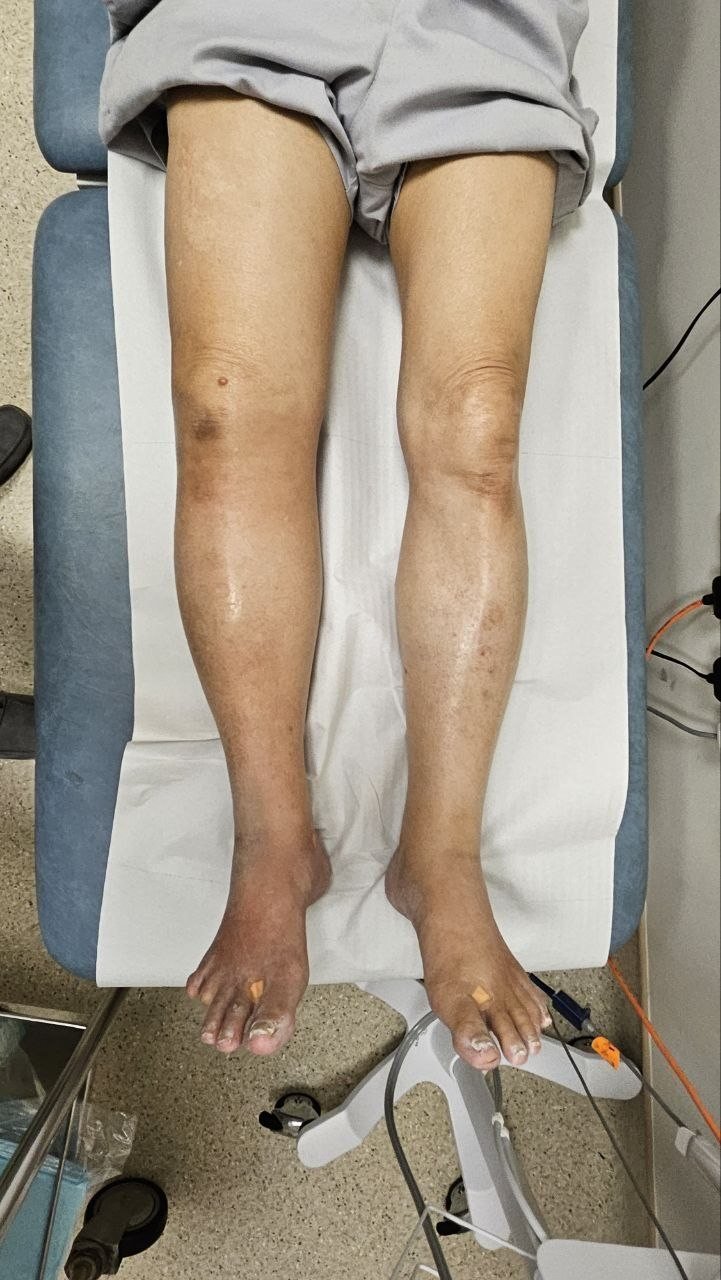
What is lymphedema?
The lymphatic system helps drain fluid, proteins and immune cells from body tissues. Lymphedema occurs when this drainage is overloaded or damaged, leading to swelling, heaviness, tightness, skin changes and sometimes recurrent infection.
Primary lymphedema
Primary lymphedema is related to how the lymphatic system developed. It may appear in childhood, adolescence or adulthood.
Secondary lymphedema
Secondary lymphedema may follow cancer surgery, lymph node removal, radiotherapy, infection, trauma or other causes of lymphatic injury.
Common symptoms
- Persistent swelling or asymmetry
- Heaviness, tightness or aching
- Skin thickening or reduced skin pliability
- Reduced range of movement or difficulty fitting clothes/shoes
- Recurrent cellulitis or skin infection
How doctors assess lymphedema
Assessment usually starts with the clinical story and examination, then considers whether imaging is needed. In selected patients, tests such as ICG lymphography and ultrasound can help map superficial lymphatic channels and guide treatment planning.
Why imaging matters
Imaging can help clarify whether there are functioning lymphatic channels, how advanced the disease appears, and whether surgery such as lymphovenous bypass may be worth discussing.

Treatment is usually stepwise
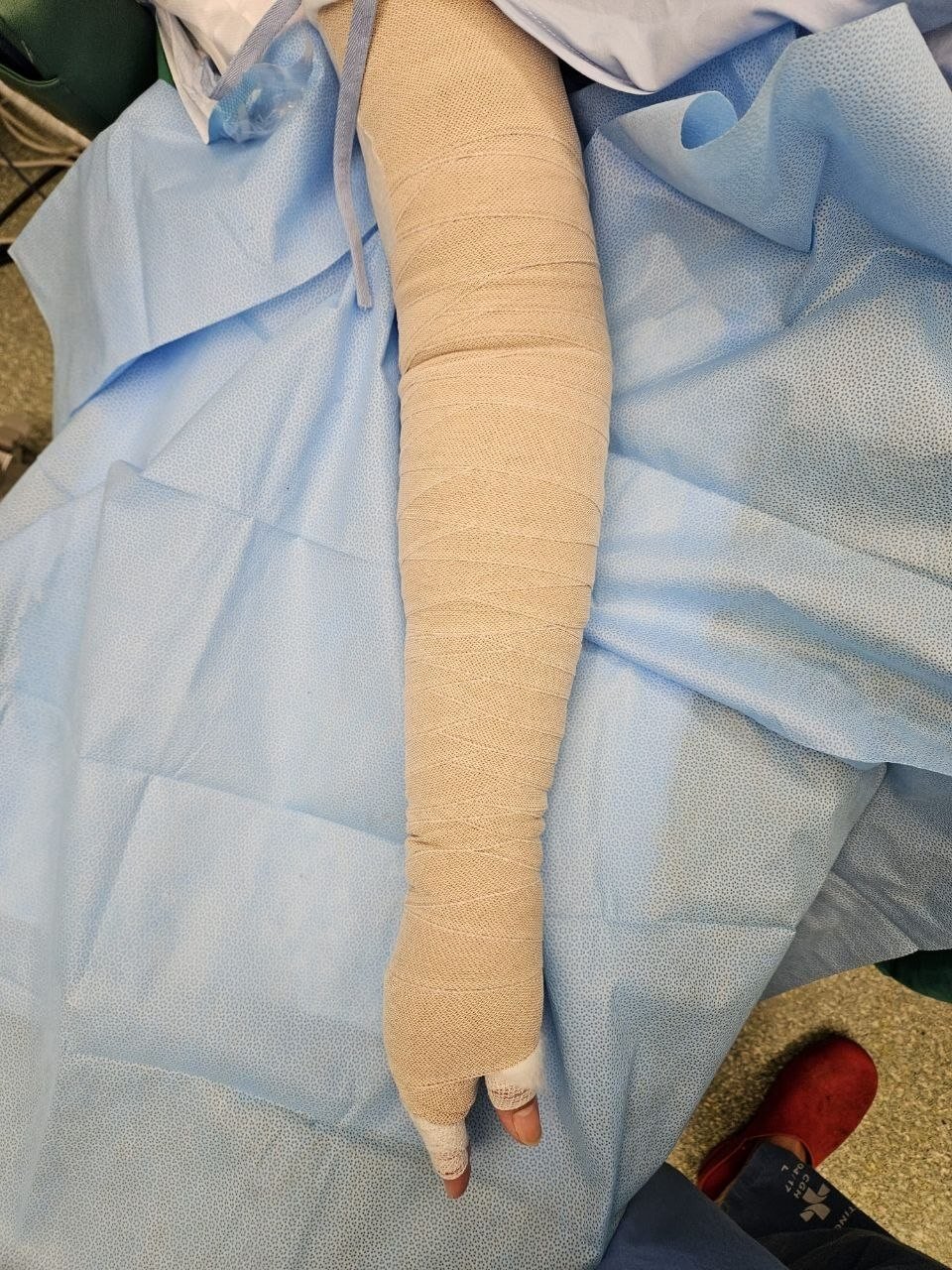
Lymphedema care may include skin care, compression garments, bandaging, exercise, therapy, infection prevention, weight and general health optimisation, and in selected cases surgery. Treatment choice depends on cause, stage, tissue changes, symptoms, imaging findings and patient goals.
- Lymphedema treatment options
- LVA surgery in Singapore
- Lymphedema and cellulitis
- Choosing a lymphedema surgeon
When to seek assessment
Seek medical assessment if swelling persists, is one-sided, follows lymph node surgery or radiotherapy, is associated with recurrent cellulitis, or is worsening despite compression and therapy.